Blogging

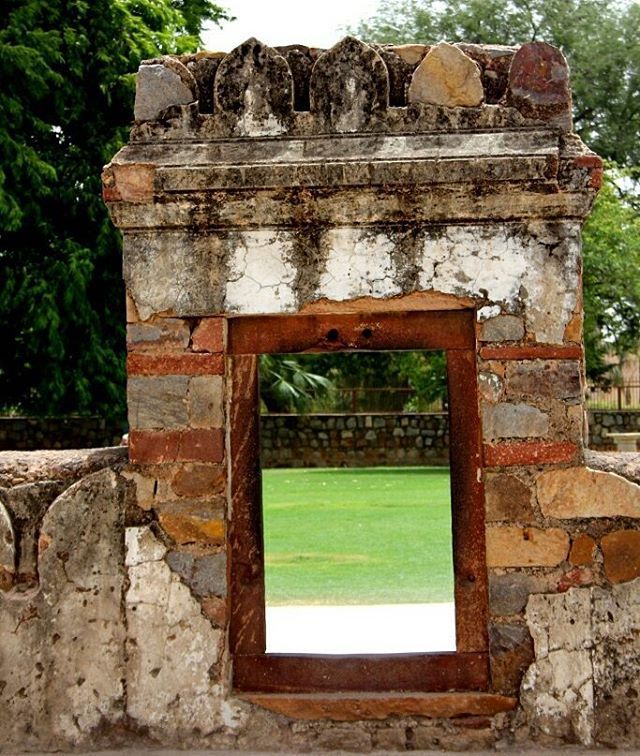
How Our Frames Shape the World: A Reflection at Qutb Minar

Our differences don’t always come from what we see—but how we see. The frames we wear shape our world, defining what we notice, what we dismiss, and what we assume.

Two people can stand before the same gate, one seeing strength, the other seeing constraint. One sees history, the other sees ruins. The object remains the same, yet the stories change.

And as the world hurtles from problem to problem, maybe it’s time to pause. To ask, “What’s making me think this way?”

Sometimes, the biggest shifts happen not outside, but within.
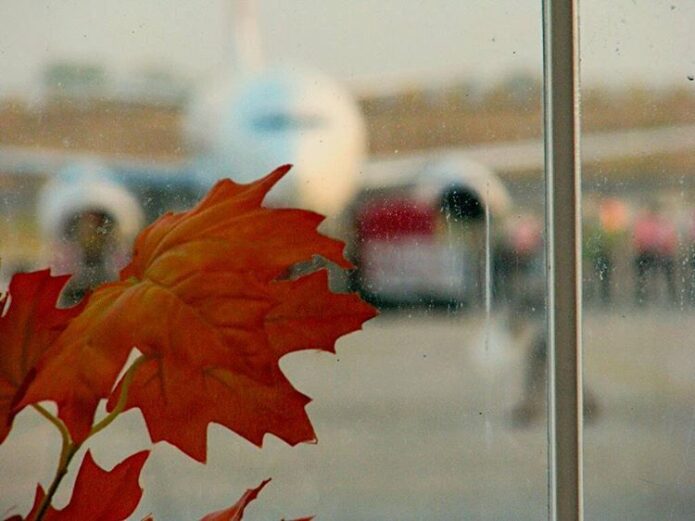
Do You Just Land, or Do You Really Fly?

Noticing Life, Not Just Passing Through

Do you just take off and land—or do you truly fly?

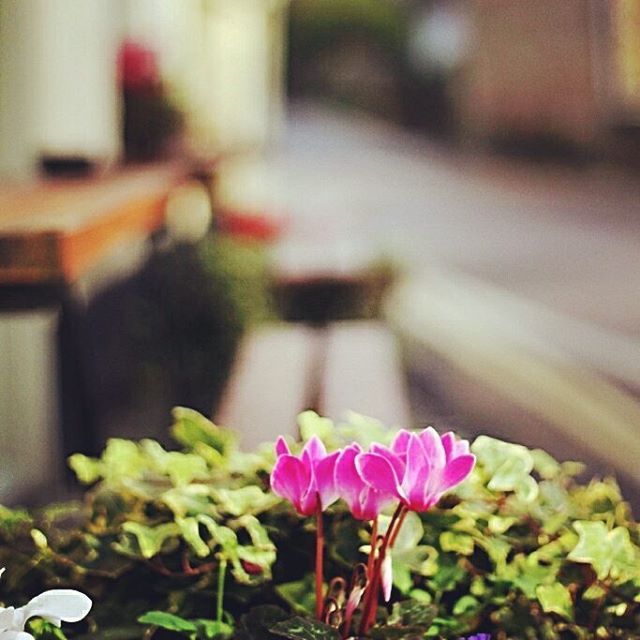
Do you just pass by flowers—or have you paused to see them in full bloom?

Do you notice the things you see—and more importantly, the things you don’t?

Because in the end, it’s not about the flowers, the flight, or the view. It’s about what’s inside you. That restless, beating thing called life.

And life isn’t in the rush. It’s in the noticing.

A Pink Bicycle, A Rearview Mirror, and A Zillion Memories

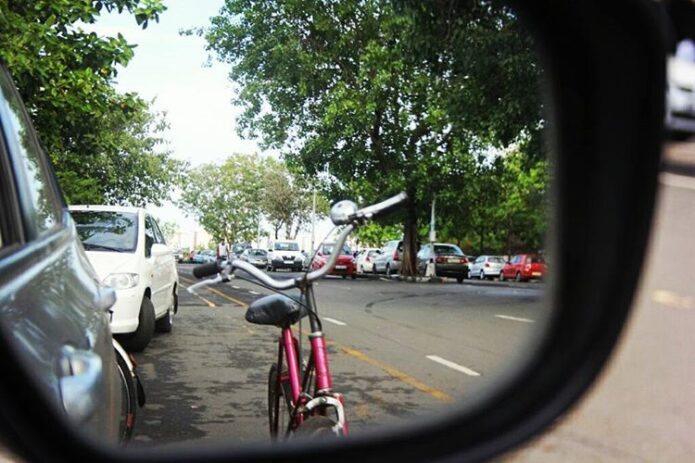
You can’t drive forward while staring only at the rearview mirror. But every now and then, a glance back reveals pieces of you—the roads you’ve taken, the people who’ve shaped you, the moments that still linger.

This random pink bicycle, caught in my mirror at Nariman Point, wasn’t just a cycle. It was a portal—to childhood races, to friendships that felt endless, to laughter that echoed down familiar streets.

Memories don’t hold us back. They fuel us forward. They turn a mundane day into something meaningful.

What’s in your rearview mirror today?

What’s in Your Frame? A Lesson from Photography

What do you keep in the background? What do you focus on?

These are the first lessons a photographer learns. But over time, they prove just as valuable in business—and in life.

Years ago, while fumbling with my first camera, I met someone for whom the camera was an extension of his arm. He shared a simple truth:

“A good photographer learns what to include in the frame. You get better by learning to keep out EVERYTHING that doesn’t add to the picture.”

That lesson stuck. In photography. In work. In life.

Because clarity isn’t just about what you see—it’s about what you remove.

(at Isle of Wight)

It’s Not What You Work On—It’s How You Do It

He sat, painting red stripes on a quiet, unremarkable side step of the Meenakshi Temple. No rush, no shortcuts—just steady, precise strokes, his diligence filling the air.

Much of our work is like that. We aren’t always building rockets or reshaping the world. Most days, we show up, put in effort, and add our strokes to something bigger than ourselves.

The real magic isn’t in what we work on, but how we do it. With care. With intention. With the quiet belief that even the smallest efforts hold meaning.

And that’s not a trick. That’s the truth.

The Lotus Leaf and the Droplet: A Quiet Lesson in Life

A lotus leaf on water is a quiet spectacle. It doesn’t just float—it holds space. And any droplet of water on it? It turns into a pearl, rolling around like a child in a toy shop—excited, weightless, free.

In their quiet play, the leaf and the droplet offer a lesson or two. To be close, yet unaffected. To hold, yet not cling. To let things flow, yet stay grounded.

So, quick—what do you see? A simple leaf? Or something more?

(at Mumbai, India)

The Sea, The Mosque, and Lessons in Resilience

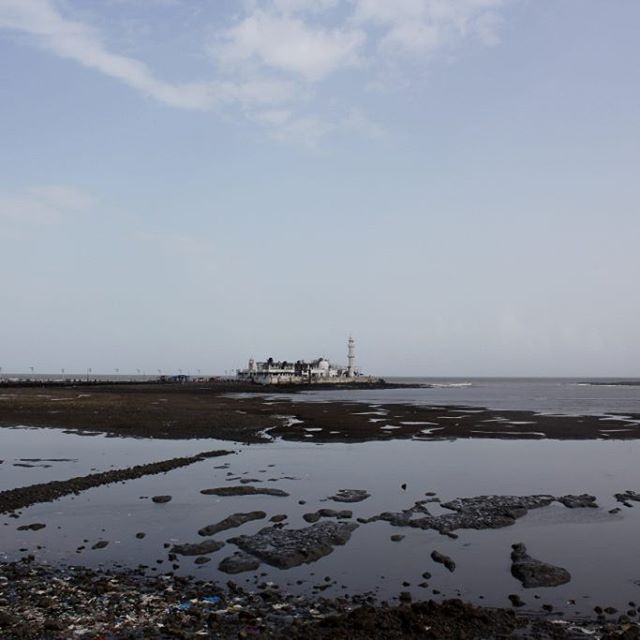
The Haji Ali Dargah in Mumbai, seen here as the waters recede. Soon, the restless sea will return—its waves crashing, its energy relentless. And yet, the mosque will remain, untouched in its resplendent silence and peace.

There’s a lesson in this.

To be humble in moments of glory.
To be calm when times are tough.
To ride the waves when they threaten.
To give in when no other choice remains.

Like the sea, life will ebb and surge. And like the Dargah, we find strength in stillness.

How Hard Is It to Do Nothing? Harder Than You Think!

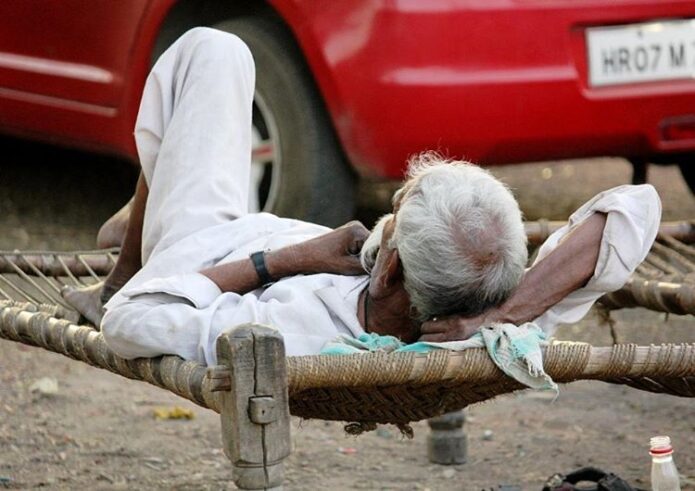
To do nothing—how tough can it be? It sounds simple, yet it’s one of the hardest things to pull off.

Somewhere along the way, we started glorifying action. Movement. Hustle. Productivity. Not without reason. But the trouble begins when action takes over everything, leaving no space for stillness, reflection, or pause.

And that’s where the real wound forms—not from doing too little, but from never knowing the damage of doing too much.

Take a moment. Stand. Stare. Breathe. Watch the world go by. Because life isn’t just in the doing, but also in the being.

Before You Sail, Build the Boat and the Vision

Boats at shore always seem out of place. They aren’t built to sit still—they belong to the waves, the winds, the unknown.

Watching them, ready and restless, just beside the sea, you can almost feel it—the pull of adventure, the promise of distance.

But every long voyage is actually two voyages. The first happens in the mind—where dreams set sail long before the hull touches water. The second, on land—where boats are built strong, crafted well, ready to endure what lies ahead.

Because when the mind doesn’t imagine wide enough, or the boat isn’t built strong enough, voyages don’t happen the way they should.

So, what voyages are you on?
How far have you traveled in your mind?
And most importantly—how strong is your boat?

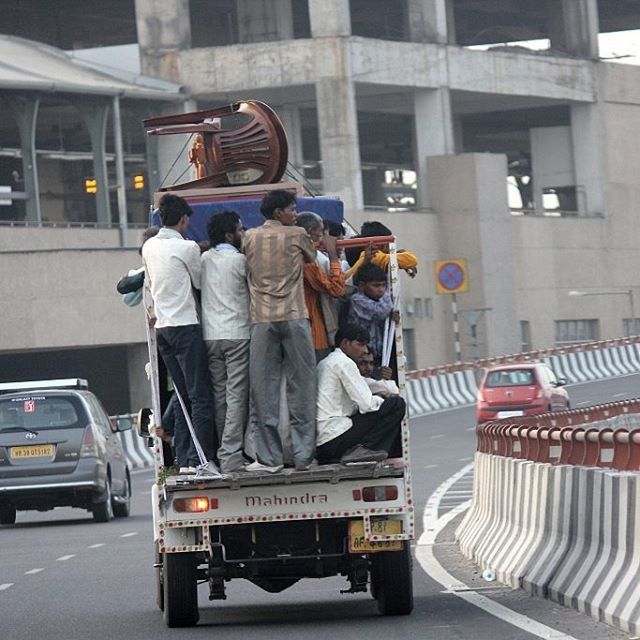
Borrowed Wheels, Big Dreams: A Reflection from Delhi’s Roads

Where you stand depends on where you sit. And where you sit? That depends on how much of a foothold you have in the world.

In many places, life isn’t about luxury or choice—it’s about making the most of what’s available. It’s about hanging on, navigating bridges with borrowed wheels, hoping for the best, and moving forward anyway.

But let’s be clear—this does not mean fewer aspirations.
This does not mean fewer dreams of change.
This does not mean fewer smiles, joys, or moments of triumph.

For many, life is neither happiness nor sadness—it simply is. And there’s a quiet resilience in that truth.