Mumbai

The Art of Letting Go of Things (When Things Won’t Let Go of You)

The man arrived at ten in the morning with a helper, a trolley, and a face that had seen too many dining tables to feel anything about this one.

He walked around it once. Tapped a leg. Looked at the surface with the practiced detachment of someone assessing timber, not history. Then he named his price. It was not the price you pay to take something away. It was the price you pay someone to do you a favour.

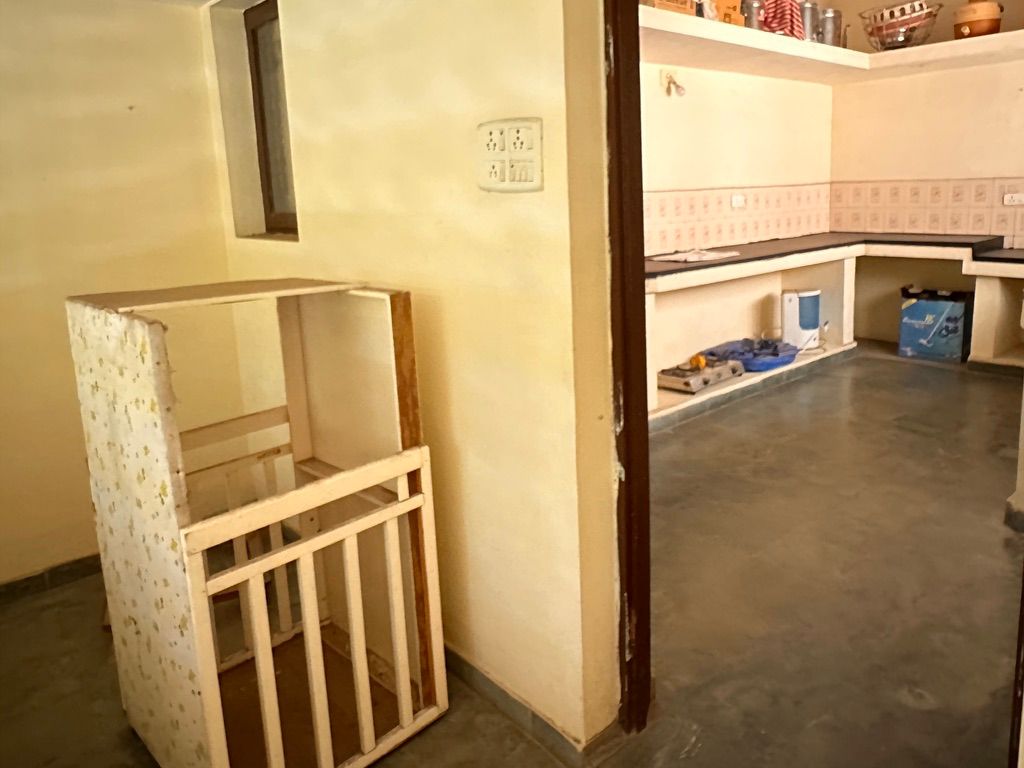
I looked at the table. Twelve years of breakfast. The dent where my daughter, age two, introduced her head to a hard surface and delivered her first proper howl. The chair she stood on, aged four, reaching for something she absolutely should not have reached for. The evening she ate her first real meal there, small fork, enormous concentration. The man with the trolley saw none of this. He saw four legs and a surface. I paid him to take it away. The room looked larger and felt considerably emptier than its dimensions suggested.

This is the problem I cannot solve. Acquiring is effortless. Disposal is grief dressed up as logistics.

The Ticket from Vegas

I have, somewhere in a box that has moved with me across three cities, a paper ticket from a trip to Vegas in 2012. Every time I reach for it to throw it away, something stops my hand. The ticket is not a ticket. It is a sealed jar containing whatever I was feeling on the day I stuffed it into my pocket. I do not know what that feeling was. I am apparently not willing to find out.

This is the part nobody warns you about when they talk about letting go of things. It is not disorganisation. It is attachment, distributed across a thousand objects, each one a small protest against the fact that time moves in one direction only. The New Yorker ran a piece on the heroic misery of trying to offload things. Its sharpest line: people prefer cheap to free. Meaning a price tag, however small, signals that something has been assessed and found worthy. Free signals the opposite. You cannot even donate your way out of the problem.

The Boxes

I have been thinking about the boxes. Not the contents. The boxes things come packed in. There is one on a shelf right now. Bright red. A perfume box, foam insert intact, carrying a faint trace of what it once held. The perfume ran out some time ago. The box did not. Too well made to throw away. Next to it, the moisturiser container with the elegant pump, long empty. And the iPhone box from two upgrades ago, because the cardboard was so clean.

If you cannot bring yourself to throw away the container, you were never going to throw away the thing inside it.

The Invisible Kind

A twenty-eight-year-old in that same piece offered a thought that stung: we have moved our accumulation online, he said. Digital purchases give the illusion of minimalism. The clutter is still there. It is simply invisible. Clay Shirky said in 2008 that the problem was never information overload. It was filter failure.

Free storage means no friction at acquisition, and no friction means no moment at which you pause and decide. The screenshots accumulate. The downloads folder fills. The brain does not distinguish between a drawer of cables for devices you no longer own and a folder of PDFs you will never read.

The Warehouse Economy

The United States has more than 50,000 self-storage facilities: warehouses you rent by the month for things you cannot fit at home and cannot bring yourself to discard. More of them than McDonald’s, Starbucks, and Subway combined. One in ten Americans rents a unit. The monthly rent, paid quietly over years, often exceeds the value of what sits inside.

India is building the same economy now, and faster. What we are storing, in the end, is not furniture. It is a mental state: unresolved pasts, uncertain futures, and abundance without clarity.

Learning to Let Go

Clutter is expensive. It costs the mind more than we admit: the low hum of unfinished decisions, the guilt of things unused, the weight of objects that demand nothing and take everything quietly. In a city like Mumbai, where every square foot has a price, it costs the home too. Space given to things you no longer need is space you are paying for twice.

I am trying to change this. Genuinely trying, not aspirationally trying. Filtering at source, before things arrive rather than after. Keeping the memory and releasing the object. The dining table is gone. What I was trying to keep was not the table. It was my daughter at two, howling. That is still here. It requires nothing except the occasional willingness to let it surface on its own.

I do not have this solved. What I have is the intention to work on it seriously, and the humbling recognition that intention is not the same as action. If you have found a way through this, I am genuinely interested. Tell me what worked. Tell me what you have not been able to let go of, and why.

The dining table is gone. The Vegas ticket is still here.

We are both works in progress.

Stop the Play, I’m Still Thinking

A Night of Theatre, Memory, and the Scripts That Refuse to Leave

Some theatre evenings feel like performances. Others feel like mirrors. This was the latter.

I expected the inaugural Udayan Bhattacharya Memorial Lecture at Nehru Centre to be solemn. Instead, it turned out warm, thoughtful and quietly humorous. The evening opened and closed with Tagore songs sung softly, as if reminding us that culture breathes best at its own pace. It was also the evening I was properly introduced to Sahana, Mumbai, a remarkable collective that has spent decades nurturing performing arts in the city with quiet resolve.

An Evening To Remember

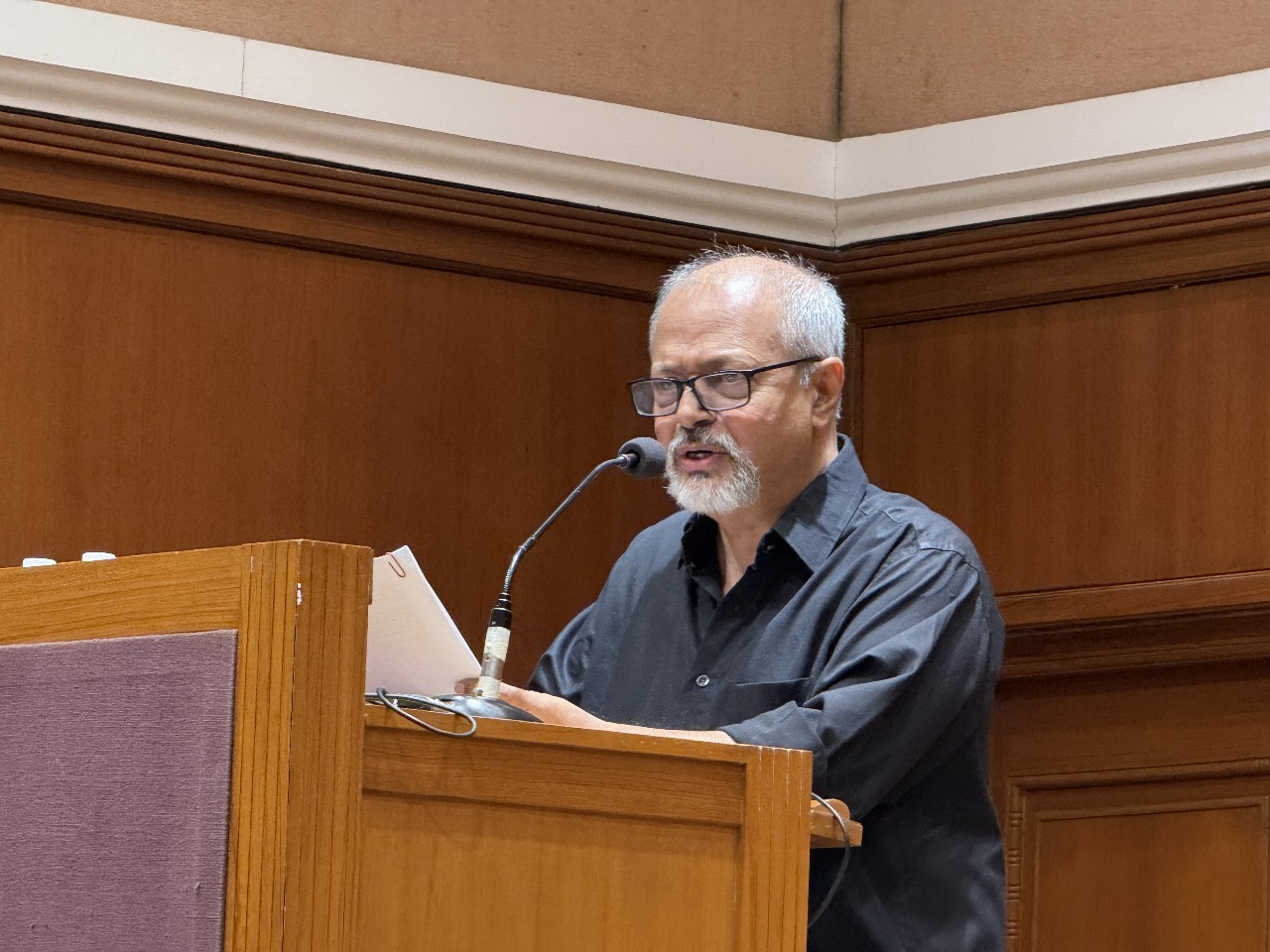
At the centre of it all was Sunil Shanbag, one of Mumbai’s most respected theatre-makers and a protégé of the legendary Satyadev Dubey. He had the ease of someone shaped by decades of rehearsal rooms, difficult scripts and stubborn hope. Shanbag spoke calmly, stroking his goatee now and then, and made the history of Mumbai theatre feel less like a lesson and more like a stroll through a familiar neighbourhood. He offered hope simply by holding history in one hand and possibility in the other.

Somewhere along the way, a small door opened in me too, a familiar pathway to my own dalliances with theatre from years ago.

The Plays That Found Me

My introduction to theatre did not come with spotlights or pedigree. I was discovered by Prof Elango at Fourthwall, at The American College, who plucked me out of wayward obscurity and gave me a role in a play titled In the Name of God. One moment I was minding my own business, the next I was on stage wondering which limb was meant to move first. Theatre does not wait for you to be ready. It simply says, “Your turn.”

What followed was a fast, compressed and surprisingly thorough education. A little Shakespeare, a little Chekhov, and then The Zoo Story, the two-person pressure cooker that offers no escape and no excuses. Those early plays left an imprint, the way a river leaves its mark on stone. They shaped how I listened, how I observed, and how I carried myself long before I understood what they were doing.

Plays do not end when the curtain falls. They end when they are done with you. They return in airport queues and quiet mornings, tapping you on the shoulder when you least expect it. A play you performed at nineteen can return at forty with a completely different meaning. Theatre builds an internal archive without asking for permission, and it keeps adding to it long after the stage has gone dark.

For that imprint I owe a lifelong debt to Prof Elango and everyone at Fourthwall. Their passion ran on a different voltage and it sweepingly carried me along. Without them I would have remained exactly where I was, minding my business instead of discovering a new way of seeing and being.

And it was that way of seeing and being that sat upright that evening, listening to Sunil Shanbag narrate how Tagore’s play Dak Ghar had travelled all the way into Nazi Germany, slipping quietly into the shadows of the Warsaw Ghetto. It felt less like a history lesson and more like a reminder that stories often go further than their writers ever imagine.

Tagore, Korczak and a Lesson I Was Not Expecting

To understand the story, it helps to picture the Warsaw Ghetto in the early 1940s. A sealed district created by Nazi Germany. Starvation, cold and constant deportations. Entire childhoods cut short before they had begun.

In the middle of this was Janusz Korczak, whom I have been reading about ever since that evening. He was a paediatrician and educator who ran an orphanage with fierce tenderness. He believed children deserved clarity and dignity even when adults around them had lost both. His compassion was stubborn in the best possible way.

Shanbag described how Korczak used Tagore’s Dak Ghar to prepare the orphaned children for the idea of death. Amal, the sick child in the play who dreams of the world beyond his window, became a mirror for children whose own world was closing in. For many of us, this was the first time the Warsaw Ghetto was introduced not through numbers but through a play, through frightened children performing a gentle story, and through one man’s determination to give them a last taste of imagination.

The part that stayed with me came after the play. A few days later the children were marched away with hundreds of others towards the trains that would take them to a concentration camp. Adults around them wailed and collapsed. The children walked in silence, steady and composed. One of them held a violin and played as they moved. They were as ready as children can ever be for a fate they did not choose.

It struck me that the evening was as much an education about Korczak as it was about Tagore. Sometimes we learn about literature through the lives it touches. And sometimes we learn about history through the plays it chooses.

That night Korczak became the teacher and Dak Ghar became his chalk. Shanbag kept weaving that story through Mumbai’s own theatre tales, stories that were no less fascinating in their own way.

The Spaces That Built Mumbai’s Theatre

Shanbag’s stories reminded me that theatres do not just host plays. They build cities. They shape how a place thinks and imagines, held together not by budgets but by conviction.

Much of that conviction came from people like Dubey, who kept appearing in Shanbag’s telling. Dubey could spot actors who did not know they were actors, push them into difficult roles, and treat theatre as oxygen rather than entertainment. That energy seeped into the rooms where Mumbai’s theatre first found its voice.

Chhabildas: A School Hall That Sparked a Movement

The way Shanbag described Chhabildas, you could see it. A modest school hall in Dadar. A high tiled roof. A storeroom pretending to be a backstage. A toilet that worked on its own mood. Almost no equipment. And yet it became the beating heart of experimental theatre. For nearly two decades, dozens of groups performed there across languages, on diwans and rattling steel chairs, with traffic, vendors and radios leaking in from the street. On one night, even a murder downstairs.

In Shanbag’s telling, Chhabildas thrived not despite its flaws but because of them. The room taught theatre makers to be inventive, honest and fully awake to life.

Prithvi and NCPA: Spaces That Grew a City’s Confidence

Prithvi and NCPA, as Shanbag described them, were Mumbai’s two strictest teachers. Prithvi demanded intimacy, its thrust stage leaving no place to hide. NCPA offered the opposite lesson, insisting on scale and discipline. Together they taught artists to stretch, adapt and rise to whatever room held them. They were not just venues. They were training grounds.

Why Money Cannot Be the Only Question

Shanbag also traced how things shifted after 1992. As the country opened its markets, theatre was nudged into the logic of “an evening out.” Plays became shorter, lighter and more “dinner-friendly,” trimmed to suit appetites rather than ideas.

But Chhabildas reminded me of something else. Art does not need money to live. It needs people who care enough to rehearse after work, to perform in hot rooms, to sit on diwans and steel chairs and still feel something. Chhabildas did not decorate Mumbai. It animated it. It kept the city honest and awake.

Somewhere between the pollution outside and the conversation inside, something shifted. The air in the hall felt lighter, as if talking about plays and playwrights could momentarily clean a city’s lungs. It left me with nostalgia, a hint of melancholy, and most unexpectedly, hope.

Art that depends only on money cannot build a city. It can only decorate it. But art that depends on love and belief gives a city a soul.

Why Theatre Matters Even More Today

In a digital age we have traded presence for convenience. There is more to watch than ever, yet far less to truly feel. Our attention has become a marketplace and everything wants a piece of it.

Which is why theatre feels almost radical now. People in one room. Shared breathing. Shared laughter. And shared silence. No pause button. No algorithm.

Culture is not luxury. It is how a society remembers to stay human. And theatre remains one of the few places where India’s astonishing diversity gathers, listens to itself and recognises its own depth.

A week later, it still sits with me.

Handcrafted

When effort surpasses reality, the picture isn’t one of suffering—it’s one of progress.

Look closely, and life isn’t just about enduring; it’s about adapting, creating, pushing forward. The human spirit isn’t wired for defeat—it is built to survive and overcome.

Seen this way, suffering takes a backseat to resilience, and struggle reveals itself as transformation.

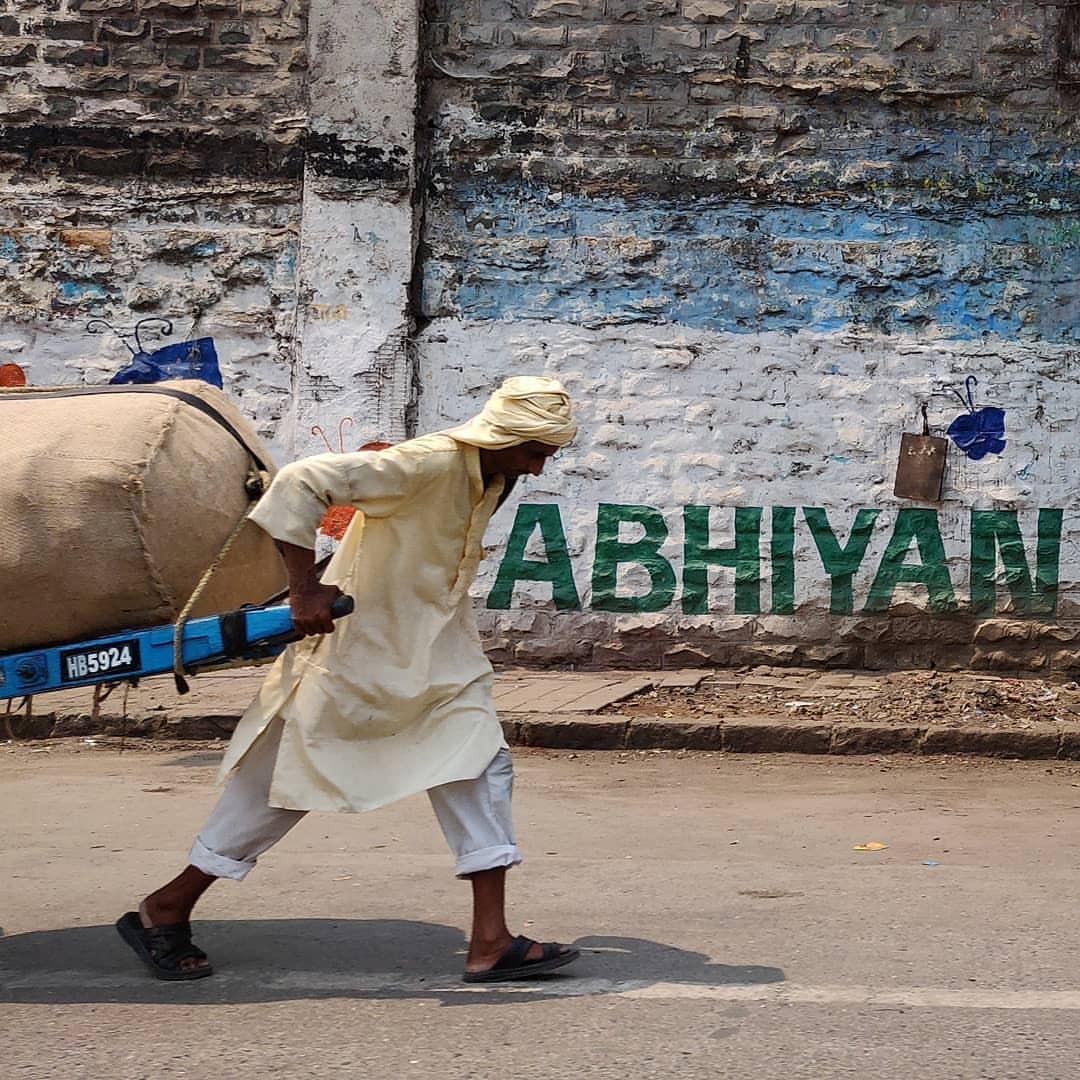
In markets, “handcrafted” is a premium label, reserved for the unique and the carefully made. But for millions, handcrafting life is not a choice—it’s everyday survival.

Effort, persistence, and the refusal to give in—that’s the real handmade story.

Mumbai’s Rain: A City of Anticipation and MagicFocus

There’s something about Mumbai when it rains. The city slows, just a little. The streets glisten. The sea looks alive. But there’s also something about Mumbai when it waits for rain. The air is thick with hope. The sky teases with grey clouds. People glance up, waiting.

Anticipation fills the city.

And when the first drop falls, it feels like Mumbai breathes again.

The wait makes the rain sweeter.

That’s Mumbai—a city of moments.There is something to Mumbai when it rains. There is something to Mumbai when it expects the rain!

Coffee and Conversations: Wisdom in Every Sip

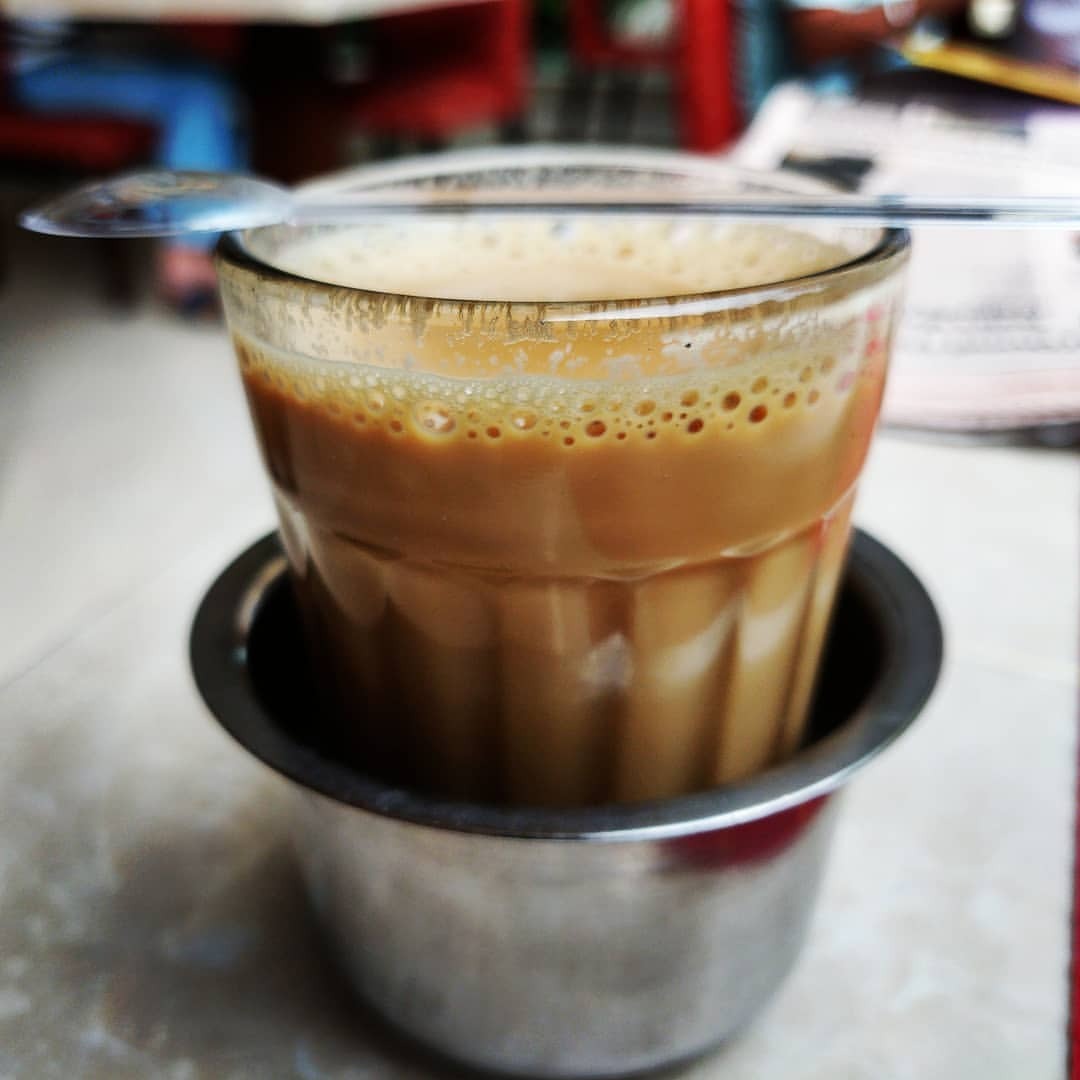
My dad always said, “Coffee drinkers are better thinkers.” He was a wise man. I’ve never had a reason to doubt him.

These days, “Coffee?” is the answer to everything.

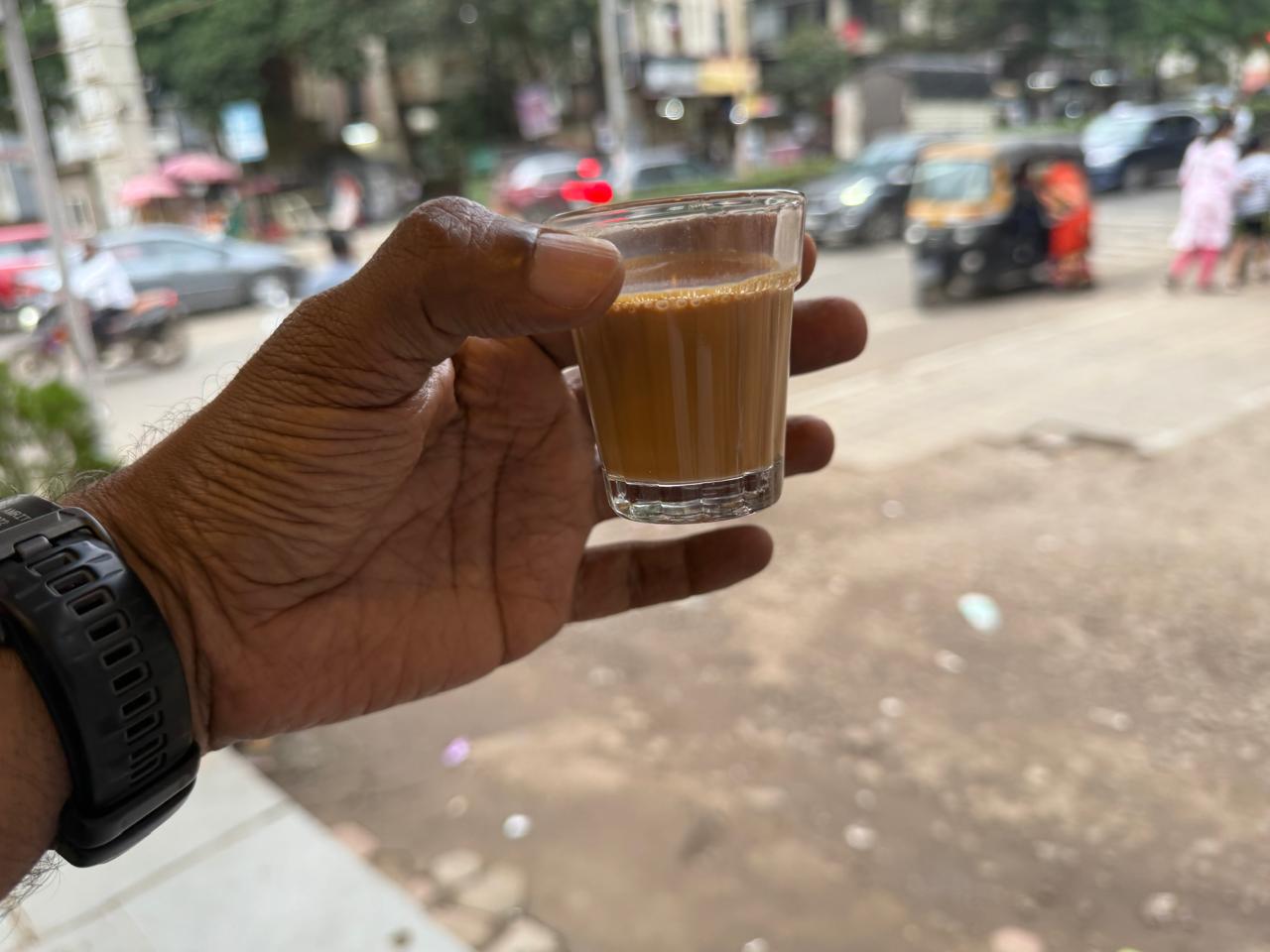
Questions, answers, problems—it doesn’t matter. Coffee solves it all. Especially in Mumbai. The city hums with its energy, fuelled by endless cups.

Maybe it’s the caffeine. Or maybe coffee is just a great excuse to pause, talk, and think.

Either way, I’m not arguing. Coffee?

Dusk: Where Life Thrives

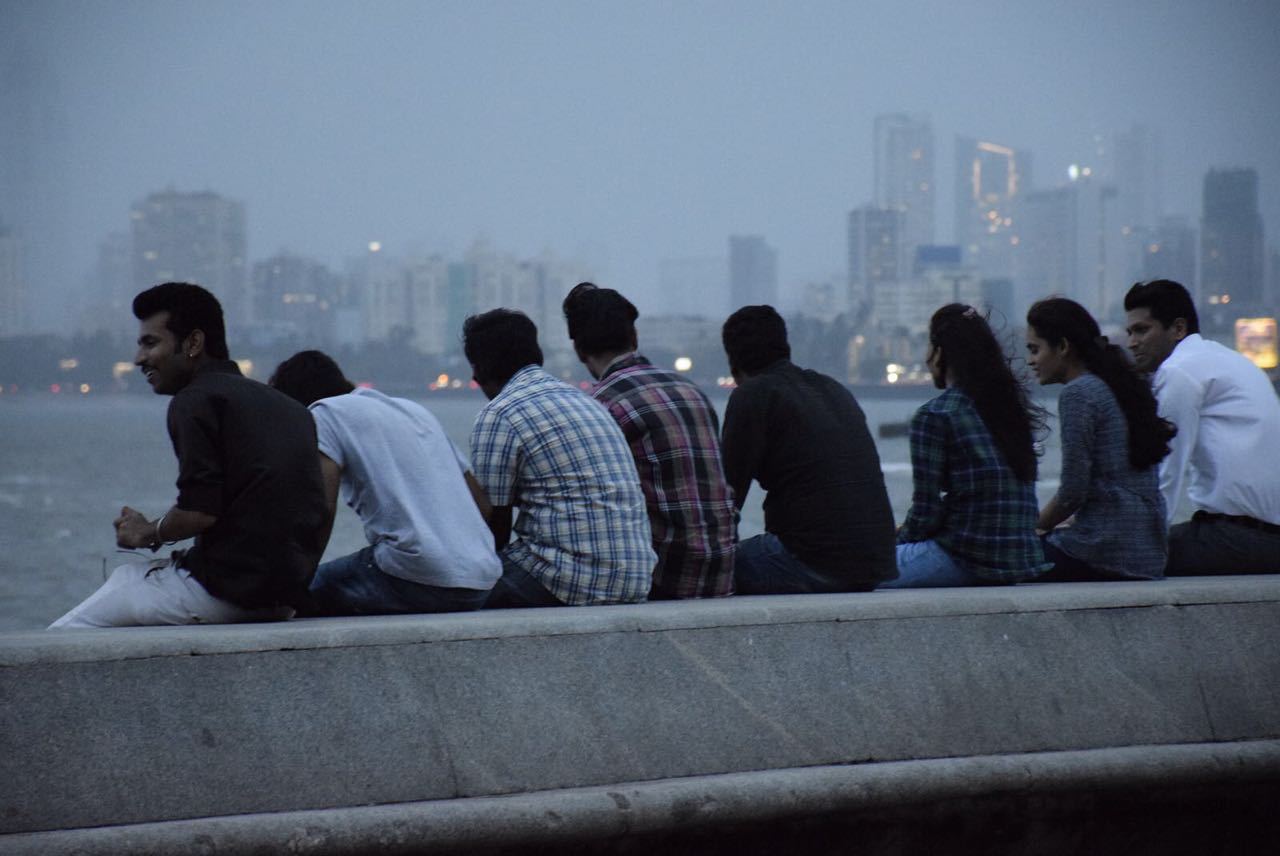
When the sun goes down, the world comes alive. Dusk isn’t just an end—it’s an in-between space, a pause for change.

It’s a time when life thrives, not in isolation, but in togetherness. Birds return home, conversations linger, and the air hums with quiet energy.

Dusk reminds us that change doesn’t have to be loud. It can be gentle, steady, and full of connection. It’s a space where the day and night meet, creating something beautifully alive.

A Good Life: Finding Freedom Beyond Comfort

A good life is many things. Friends. Family. A roof above to keep you safe.

But sometimes, that very roof brings walls with it. And walls can become a cage.

Look at the rabbits in a zoo. They have food, shelter, and safety. Yet, behind those bars, do they feel free?

It makes you wonder—what’s the balance between comfort and freedom? Between safety and truly living?

A good life isn’t just about what you have. It’s about how you feel. Free to roam. Free to dream. Free to be.

Sometimes, we need to step outside the cages we build for ourselves. Even if they look like homes.

Chaos, Order, and the Mind’s Eye

Chaos and order aren’t about what we see—they’re about how we see. A neatly stacked pile eventually topples. A tangled mess, given time, reveals its own quiet logic.

The most structured plan can unravel in seconds. The most chaotic moment can, strangely, feel just right. Maybe order is just a matter of patience, and chaos, a test of perspective.

Look closer. Beyond the clutter, beyond the randomness—there’s always a pattern waiting to be noticed.

The Rajabai Tower: When Timekeeping Became a Monument to Love

Some build monuments to power. Others, to love. Premchand Roychand, a wealthy businessman, built the Rajabai Tower for something both grand and simple—to help his blind mother keep time.

Modelled after Big Ben, its chimes once echoed across Mumbai, guiding her through the day. A full-fledged clock tower just so a mother could tell time—now that’s devotion on another level.

He must have been some man. And she, some mother.

Centuries later, the tower still stands. A reminder that love, like time, leaves its mark.

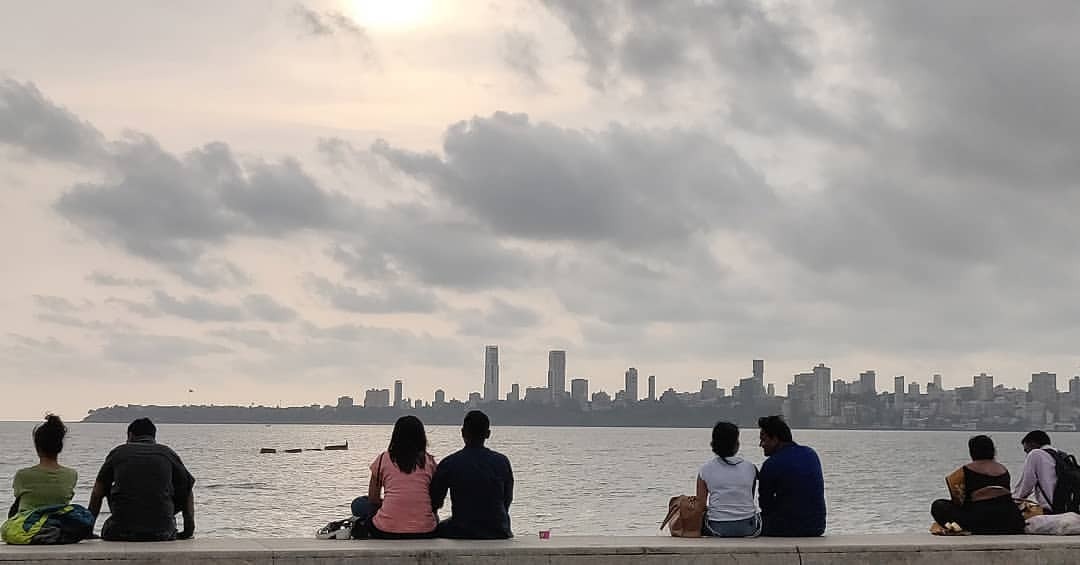
Where Does the Sea Begin? A Child’s Questions at Marine Drive

We sit by the sea, watching its endless waves. She sits beside me, tossing questions like pebbles into the water.

“Where does the sea begin and where does it end?”
“Can we build a new sea?”
“If we can’t build a new sea, then we must take care of this one, right?”

I nod. She’s here for answers. I came here for the breeze. But she’s stirring up a storm.

Somewhere, I hope the right men and women are listening. Because the sea has no voice—except for those who ask the right questions.

 (at Marine Drive Mumbai)