Blogging

The Waves Rush, Only to Dissolve: A Reflection from Pattaya

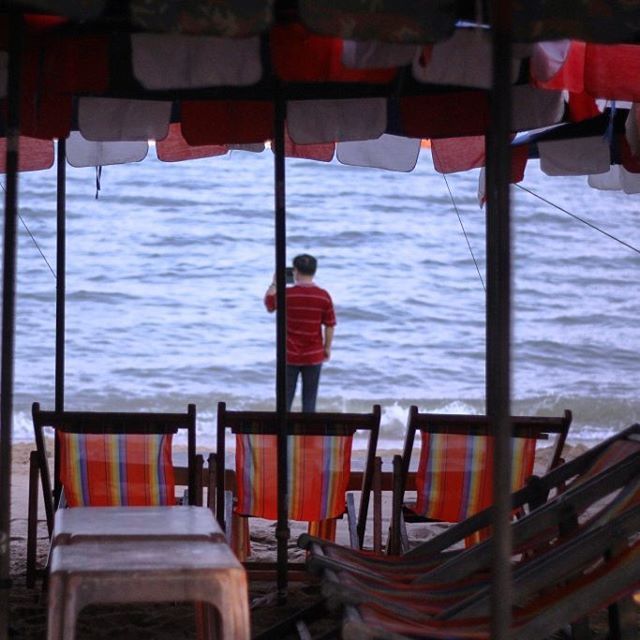
Watching the sea is strangely soothing. Maybe it’s the rhythm, the constant motion, or the way each wave races forward, trying to outdo the other—only to dissolve into nothingness at the shore.

For all their frenzy, for all their rushing, the waves end the same way—spent, quiet, forgotten.

Maybe that’s why we stand by the shore, staring at the water. To remind ourselves.

That the daily rush, the endless chasing, the competition to rise above—often leads nowhere.

That it’s okay to move, but also okay to pause.

That holding on to life lightly, but tightly is what truly matters.

And maybe, just maybe, the sea has been whispering this to us all along.

(at Pattaya, Thailand)
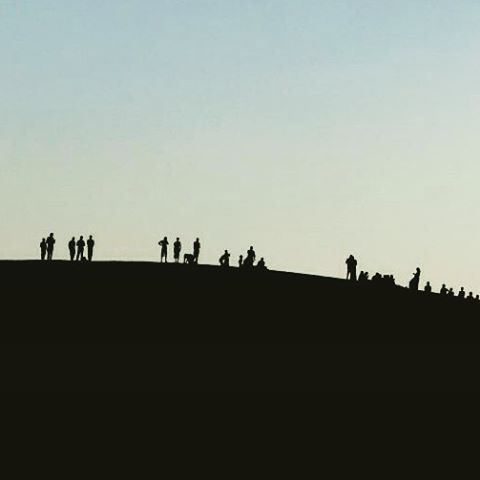
Perspective Changes Everything: A Reflection from the Hills of Vagamon

It’s always about the frame. How you frame the problem changes the problem itself.

One moment, I was talking to people, standing beside them, sharing thoughts. Then came the trudge down the rolling hills—a pleasant, happy descent through Vagamon’s stunning landscape.

Thirty minutes later, I turned around.

The people I had just spoken to? Now tiny silhouettes on the horizon. The hill? A mere bump in the distance. The shifting light made them look like mannequins in a store—motionless, almost unreal.

Perspective changes everything. What looks overwhelming up close may seem insignificant from afar. What seems impossible now may, with distance, reveal new possibilities.

Try changing the frame—you might see things in a whole new way.

The Market That Moves: Maeklong and Its Famous Train

There are markets, and then there is Maeklong. Fresh seafood, vibrant veggies, neatly stacked produce—all arranged with remarkable precision and unexpected cleanliness for a market of this scale.

But that’s not what pulls in the tourists.

It’s the train. The iconic locomotive that cuts through the market, mere inches away from stalls. The moment arrives—the retractable awnings fold back, baskets are shifted just enough, and in a blink, the train passes. Just as quickly, life resumes.

For the tourist, it’s an unbelievable spectacle. For the locals, it’s routine. And as one vendor put it—with a knowing smile—”publicity.”

Because here, business rolls on, no matter what comes down the tracks.

(at Maeklong Railway Market – 美功铁路市场)

The Importance of Changing Tracks in Life and Work

There’s always a bit of emotion when you change tracks. A moment of hesitation. A hop, skip, and jump before you commit.

But changing tracks is necessary. Stay too long on one, and you risk becoming a ‘could have been’ story. The world moves, shifts, reinvents—and so must we.

What tracks are you changing?
How long have you been thinking about it?

Richness comes from diversity—of thought, of experience, of action. Stay rich. Keep moving.

(at Maeklong Railway Market – 美功铁路市场)

What Comes in the Way Can Make the End Better

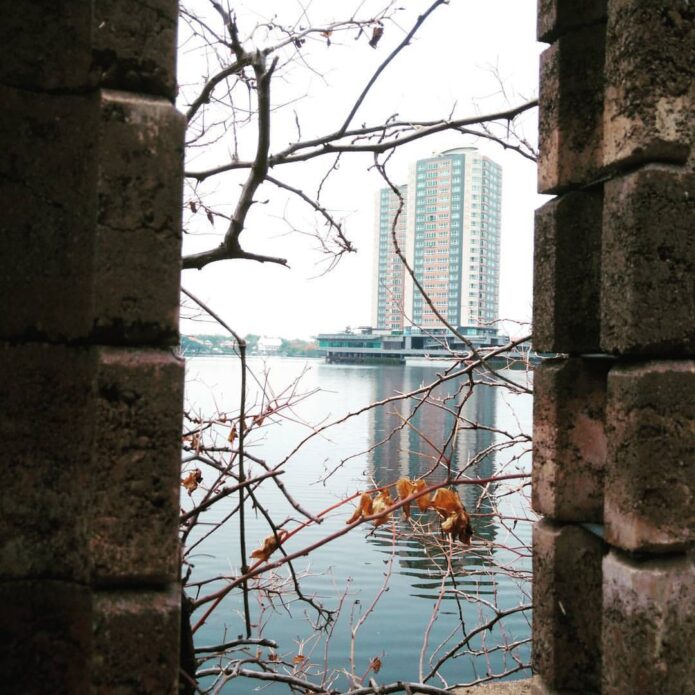
What comes in the way often feels like an interruption. A distraction. A flaw in the frame.

After much effort, I found the perfect angle to capture the building. Just as I was about to click, a thorny shrub found its way into the shot.

I let it be. And surprisingly, it added character.

Maybe that’s how life works too. The things that seem to block us can actually enhance our journey. What doesn’t break us adds depth, resilience, and perspective.

So, what do you think—obstacle or enhancement?

(at Bangkok, Thailand)

Cotton, Clips, and Colours: A Lesson in Childlike Creativity

Swabs of cotton, clothesline clips, and a splash of colours. In the hands of kids, that’s all it took for magic to unfold.

No TVs, no tablets, no digital distractions—just pure imagination at play. The kind that turns ordinary objects into extraordinary stories. The kind that reminds us that creativity doesn’t need a screen, just space to roam free.

All it takes is a little belief—in kids, in their boundless curiosity, in their ability to turn the simplest things into something wonderful.

Yes, magic. That’s the word. And kids own it.

(at Bangkok, Thailand)

The Weight, The Why, and The Joy in Between

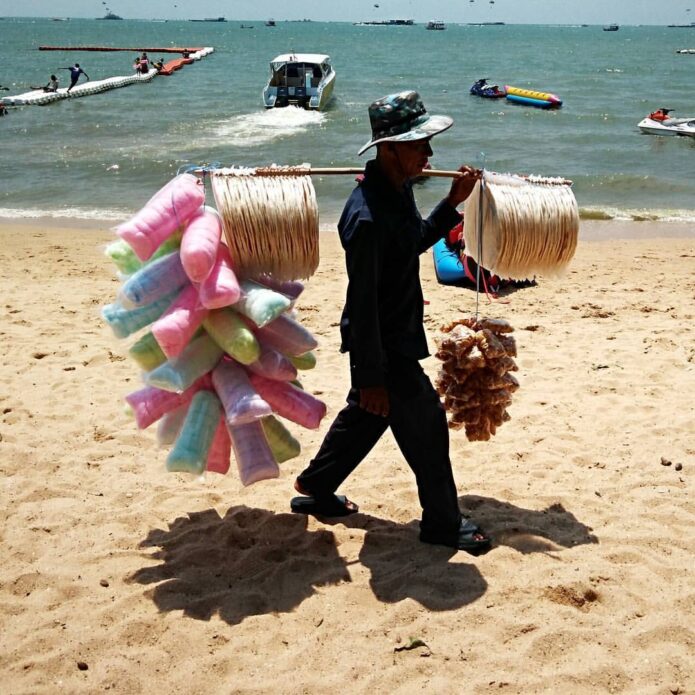
It’s never about the weight—it’s about how we carry it.
It’s never about the work—it’s about why we do it.
It’s never about the grand sights—it’s about the stories they hold.
It’s never about big things—it’s about finding big meaning in small moments.

Happiness isn’t loud. It doesn’t need a grand stage. It lives in quiet corners, in the way we see, in the way we let things be.

To find joy is to notice it. And to let it stay.

(at Pattaya, Thailand)

“Papa, My Legs Are Touching the Sky!”

The little miss and her imagination take flight long before the plane does.

She plants her legs on the airplane window, eyes wide with wonder.
“Papa, my legs are touching the sky!” she shrieks, her joy lighting up the cabin—or at least our corner of it.

I smile. Because, really, why not?

We spend lifetimes chasing the sky, claiming its vastness for ourselves. But if you ever do, remember this young dreamer who got there first—feet up, heart soaring.

“Enjoy It While You Have Time”—A Profound Lesson from the Beach

He is all bone and muscle, sun-worn skin, a pronounced jaw, and a stubble for a head. But what stands out most? That smile. A smile that stretches wide, giving his broken, uneven teeth even more mileage.

He’s the man of the waves, guiding our water scooter with the ease of someone who knows the sea like the back of his hand. The waves bend to him, the machine moves at his command.

From the shore, he waves us on.
“Have fun. You have time,” he calls out.

And as we bounce over another wave, he settles into the sand, watching, waiting. When we return, exhilarated, he grins—a full, gap-toothed smile.

“Enjoy it while you have the time,” he says.

He may not know how profound those words are. Or maybe he does.

Because wisdom often lives in the ordinary. In the men who wrestle with waves, in those who know that time isn’t something to save—it’s something to use.

(at Pattaya, Thailand)

Beyond the Road: What the VW Camper Teaches About Staying Relevant

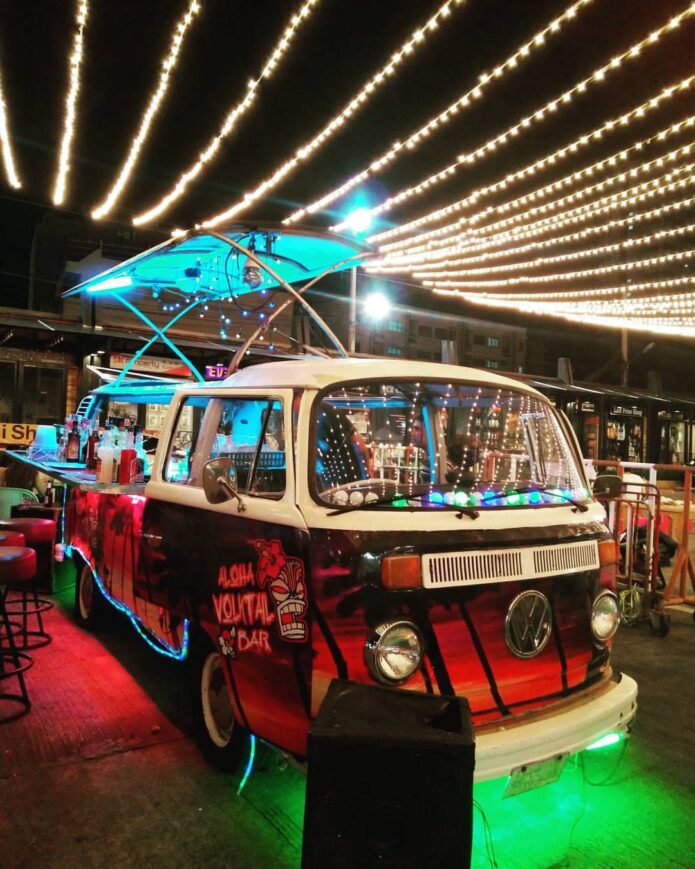
As a talented pair of hands whipped up a fresh cocktail, my eyes wandered to the Volkswagen Camper van, glowing under bright lights.

But this isn’t just a vehicle. It’s a symbol.

First introduced in 1950, it rolled off production lines in 2013, but not before proving its remarkable ability to evolve. It started as a people carrier, then became a parcel transporter, a tourist van, an ambulance, and much more. From the practical to the imaginative, it has done everything possible—and everything conceivable.

To age gracefully, like the VW Camper, means one thing: staying relevant.
And that requires daily reinvention. Self-disruption. A willingness to redraw the finish line—again and again.

It’s not easy. But it’s possible.

Just ask the VW Camper.

(at Pattaya, Thailand)