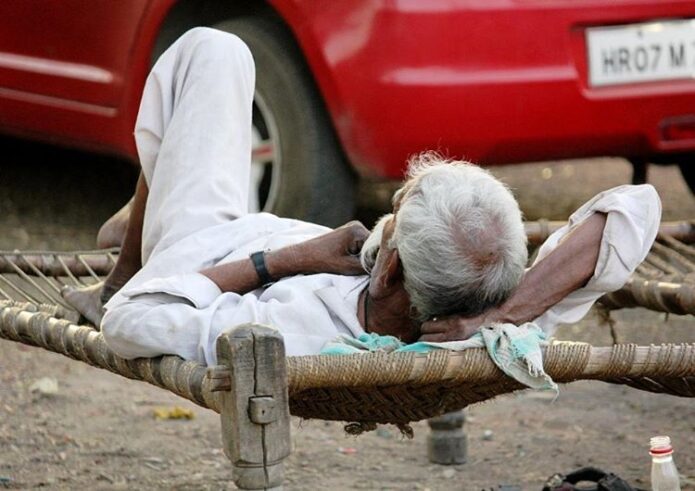
fun

How Hard Is It to Do Nothing? Harder Than You Think!

To do nothing—how tough can it be? It sounds simple, yet it’s one of the hardest things to pull off.

Somewhere along the way, we started glorifying action. Movement. Hustle. Productivity. Not without reason. But the trouble begins when action takes over everything, leaving no space for stillness, reflection, or pause.

And that’s where the real wound forms—not from doing too little, but from never knowing the damage of doing too much.

Take a moment. Stand. Stare. Breathe. Watch the world go by. Because life isn’t just in the doing, but also in the being.

Before You Sail, Build the Boat and the Vision

Boats at shore always seem out of place. They aren’t built to sit still—they belong to the waves, the winds, the unknown.

Watching them, ready and restless, just beside the sea, you can almost feel it—the pull of adventure, the promise of distance.

But every long voyage is actually two voyages. The first happens in the mind—where dreams set sail long before the hull touches water. The second, on land—where boats are built strong, crafted well, ready to endure what lies ahead.

Because when the mind doesn’t imagine wide enough, or the boat isn’t built strong enough, voyages don’t happen the way they should.

So, what voyages are you on?
How far have you traveled in your mind?
And most importantly—how strong is your boat?

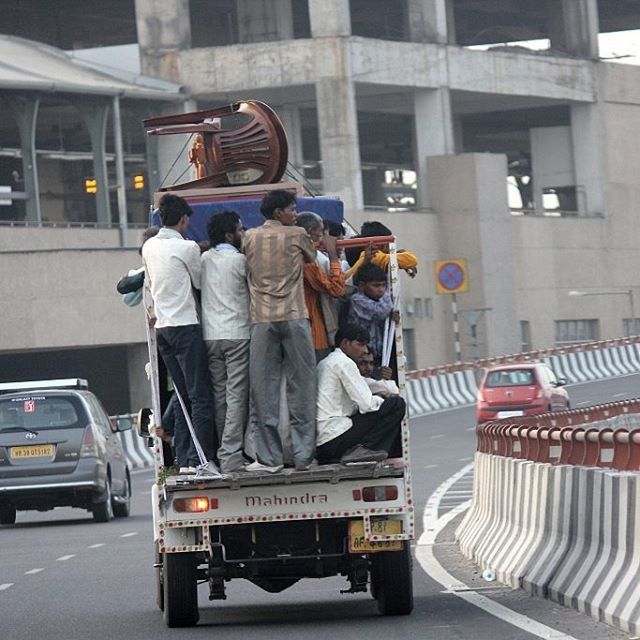
Borrowed Wheels, Big Dreams: A Reflection from Delhi’s Roads

Where you stand depends on where you sit. And where you sit? That depends on how much of a foothold you have in the world.

In many places, life isn’t about luxury or choice—it’s about making the most of what’s available. It’s about hanging on, navigating bridges with borrowed wheels, hoping for the best, and moving forward anyway.

But let’s be clear—this does not mean fewer aspirations.
This does not mean fewer dreams of change.
This does not mean fewer smiles, joys, or moments of triumph.

For many, life is neither happiness nor sadness—it simply is. And there’s a quiet resilience in that truth.

The Waves Rush, Only to Dissolve: A Reflection from Pattaya

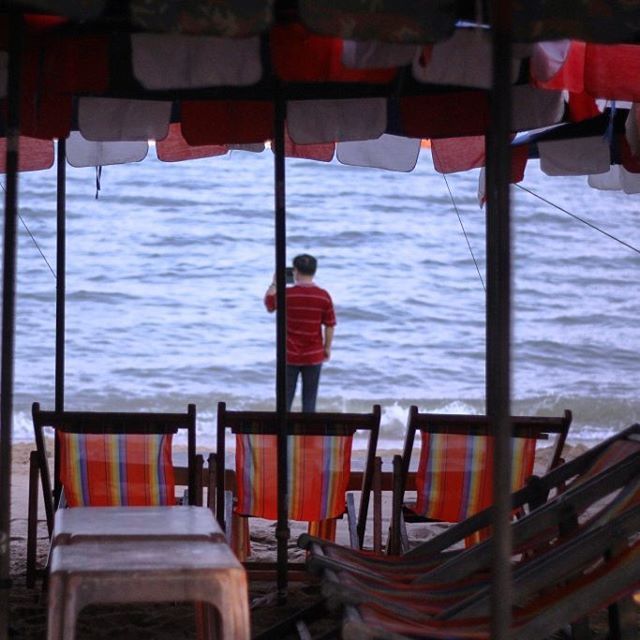
Watching the sea is strangely soothing. Maybe it’s the rhythm, the constant motion, or the way each wave races forward, trying to outdo the other—only to dissolve into nothingness at the shore.

For all their frenzy, for all their rushing, the waves end the same way—spent, quiet, forgotten.

Maybe that’s why we stand by the shore, staring at the water. To remind ourselves.

That the daily rush, the endless chasing, the competition to rise above—often leads nowhere.

That it’s okay to move, but also okay to pause.

That holding on to life lightly, but tightly is what truly matters.

And maybe, just maybe, the sea has been whispering this to us all along.

(at Pattaya, Thailand)

Perspective Changes Everything: A Reflection from the Hills of Vagamon

It’s always about the frame. How you frame the problem changes the problem itself.

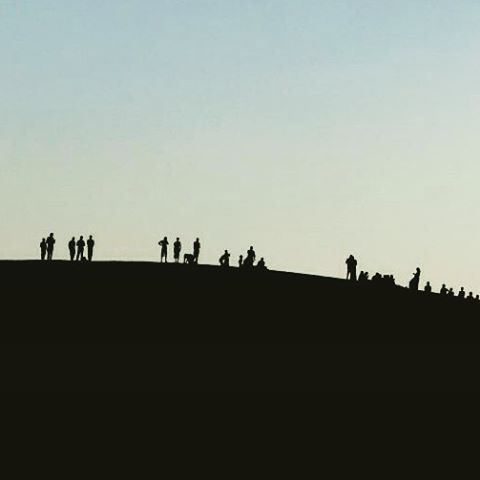
One moment, I was talking to people, standing beside them, sharing thoughts. Then came the trudge down the rolling hills—a pleasant, happy descent through Vagamon’s stunning landscape.

Thirty minutes later, I turned around.

The people I had just spoken to? Now tiny silhouettes on the horizon. The hill? A mere bump in the distance. The shifting light made them look like mannequins in a store—motionless, almost unreal.

Perspective changes everything. What looks overwhelming up close may seem insignificant from afar. What seems impossible now may, with distance, reveal new possibilities.

Try changing the frame—you might see things in a whole new way.

The Market That Moves: Maeklong and Its Famous Train

There are markets, and then there is Maeklong. Fresh seafood, vibrant veggies, neatly stacked produce—all arranged with remarkable precision and unexpected cleanliness for a market of this scale.

But that’s not what pulls in the tourists.

It’s the train. The iconic locomotive that cuts through the market, mere inches away from stalls. The moment arrives—the retractable awnings fold back, baskets are shifted just enough, and in a blink, the train passes. Just as quickly, life resumes.

For the tourist, it’s an unbelievable spectacle. For the locals, it’s routine. And as one vendor put it—with a knowing smile—”publicity.”

Because here, business rolls on, no matter what comes down the tracks.

(at Maeklong Railway Market – 美功铁路市场)

The Importance of Changing Tracks in Life and Work

There’s always a bit of emotion when you change tracks. A moment of hesitation. A hop, skip, and jump before you commit.

But changing tracks is necessary. Stay too long on one, and you risk becoming a ‘could have been’ story. The world moves, shifts, reinvents—and so must we.

What tracks are you changing?
How long have you been thinking about it?

Richness comes from diversity—of thought, of experience, of action. Stay rich. Keep moving.

(at Maeklong Railway Market – 美功铁路市场)

What Comes in the Way Can Make the End Better

What comes in the way often feels like an interruption. A distraction. A flaw in the frame.

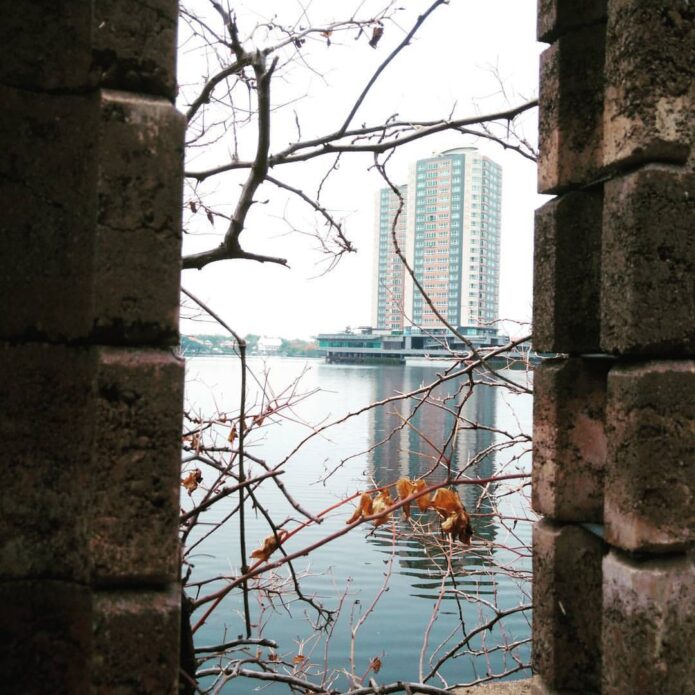
After much effort, I found the perfect angle to capture the building. Just as I was about to click, a thorny shrub found its way into the shot.

I let it be. And surprisingly, it added character.

Maybe that’s how life works too. The things that seem to block us can actually enhance our journey. What doesn’t break us adds depth, resilience, and perspective.

So, what do you think—obstacle or enhancement?

(at Bangkok, Thailand)

Cotton, Clips, and Colours: A Lesson in Childlike Creativity

Swabs of cotton, clothesline clips, and a splash of colours. In the hands of kids, that’s all it took for magic to unfold.

No TVs, no tablets, no digital distractions—just pure imagination at play. The kind that turns ordinary objects into extraordinary stories. The kind that reminds us that creativity doesn’t need a screen, just space to roam free.

All it takes is a little belief—in kids, in their boundless curiosity, in their ability to turn the simplest things into something wonderful.

Yes, magic. That’s the word. And kids own it.

(at Bangkok, Thailand)

The Weight, The Why, and The Joy in Between

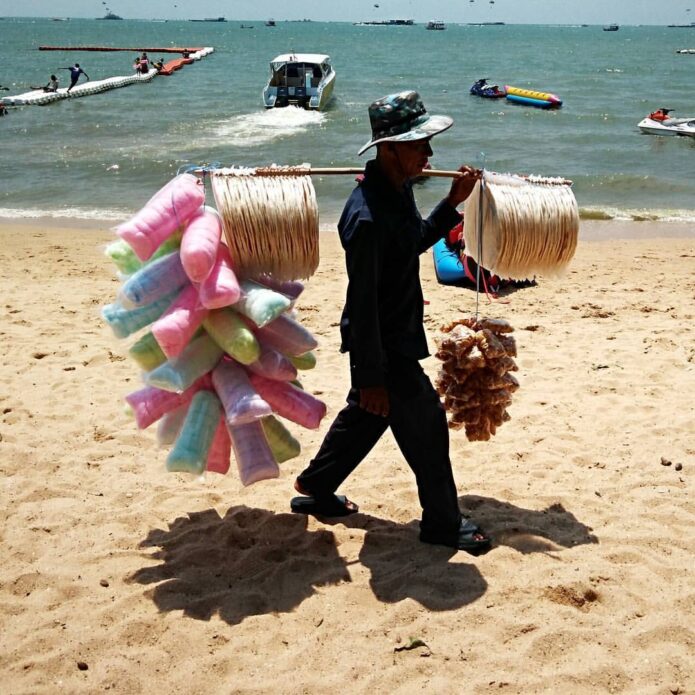
It’s never about the weight—it’s about how we carry it.
It’s never about the work—it’s about why we do it.
It’s never about the grand sights—it’s about the stories they hold.
It’s never about big things—it’s about finding big meaning in small moments.

Happiness isn’t loud. It doesn’t need a grand stage. It lives in quiet corners, in the way we see, in the way we let things be.

To find joy is to notice it. And to let it stay.

(at Pattaya, Thailand)