run

Earn a Living. Keep a Life.

Every time I go to Australia, I notice the same thing.

People move.

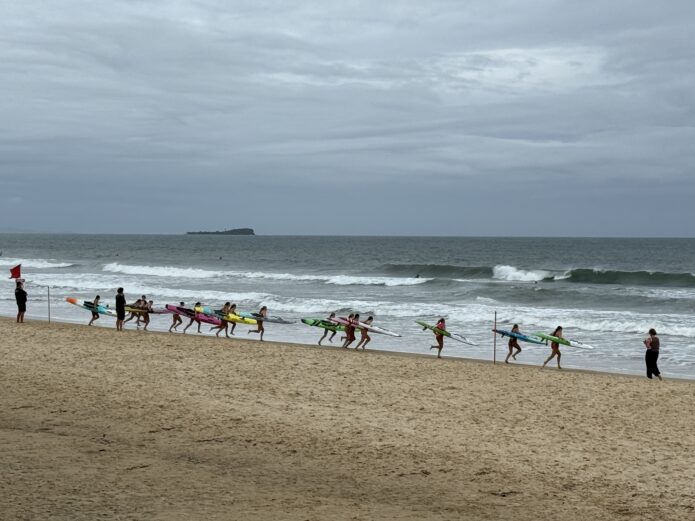
Mooloolaba on a weekday evening is not quiet. It is busy in the best possible way. Surfboards tucked under arms. Teenagers charging into waves with heroic optimism. Parents wading in while pretending to supervise. Retirees walking briskly along the promenade as if the sunset has an appointment with them.

One of the harder tasks that evening would have been to locate someone unused to movement. I am sure they exist. I simply could not find one without squinting.

No one looked sculpted. No one looked staged. They just looked comfortable in their bodies.
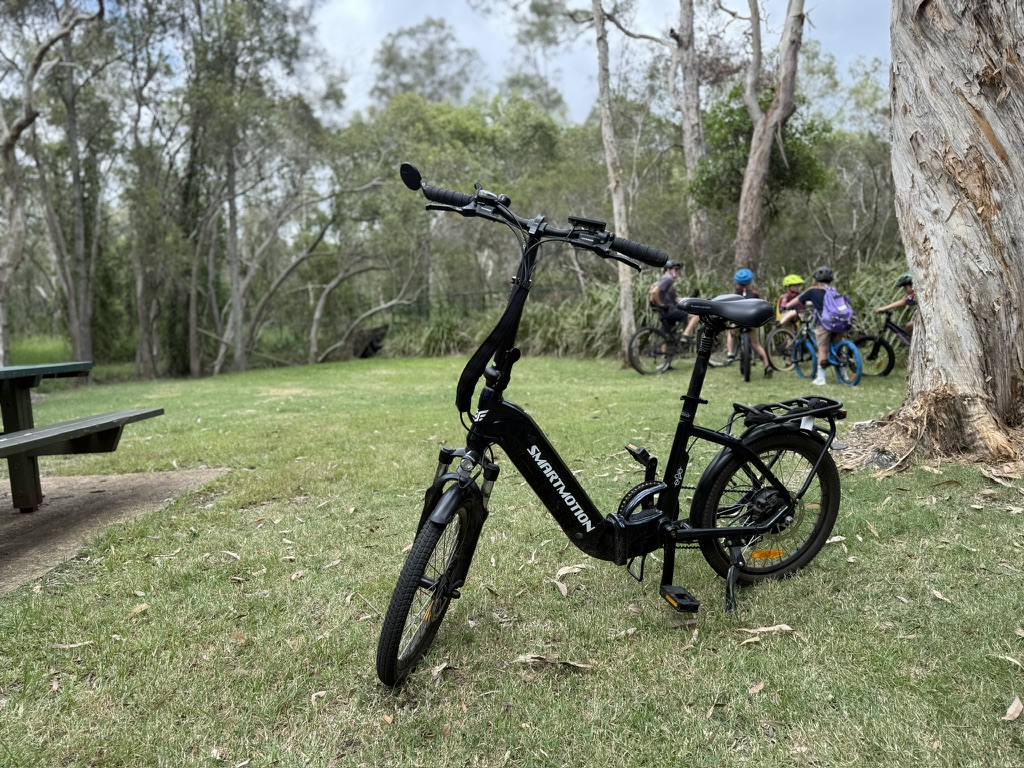

In Brisbane, I rode an electric motor assisted bike along well-established cycling pathways that ran confidently through the city. Wide. Smooth. Built for use, not decoration. The motor gave a gentle nudge. My legs still had to negotiate with gravity. It was tremendous fun.

Researchers call this “green exercise”. Even five minutes outdoors measurably improves mood. Add water and the effect deepens. Some cultures read that research and nod. Others quietly build cities around it.

“But I Don’t Have Time.”

This is the most honest objection. I have used it myself.

Work expands. Responsibilities multiply. Time shrinks. The calendar fills before breakfast.

I have run alongside N. Chandrasekaran when he was leading TCS. Early mornings. No audience. No commentary. If anyone could claim a shortage of time, it would have been him.

Barack Obama kept basketball in his routine while running the United States. Once requiring 12 stitches on his lips after getting injured. The republic survived.

I know numerous CXOs, heads of government bodies, social sector leaders, entrepreneurs who are busy as hell. Flights. Board packs. Investor calls. Policy crises. Yet they paddle. They walk. They play racquet sport. They run. They jog. They lift. They take the stairs.

Not because they have spare time.

Because they decided movement was not optional.

Time is rarely found. It is allocated.

Movement is maintenance of the machine that earns the living. If we neglect the machine long enough, it negotiates back.

“But Those Are Developed Countries.”

That is the other line I hear. And it is partly true.

Yes, Denmark has cycle lanes drawn with engineering pride. Sweden has the sommarstuga, small summer houses by lakes and forests where families retreat and reset. Ministers pedal home. Children cycle to school.

But this is as much about habit as it is about GDP.

One of the most inspiring sights in India is not a luxury gym. It is the open gym in a roadside park in a small town. Bright blue metal machines. Men rotating shoulders at dawn. Women walking in determined groups of three. Elderly gentlemen comparing blood pressure readings between stretches. Children hanging upside down for no reason at all.

No membership fee. No mirrors. No curated playlist.

Just bodies in motion.

We may not have surf breaks or flawless pathways. We have streets. Parks. Stairs. Terraces. Even uneven pavements that double as balance training.

We also have carb-rich festivals and, I am told, a South Asian genetic tendency to store weight enthusiastically around the belly. It was oddly comforting to read that. The gene did it. Not the second helping of dessert.

Genes, though, are tendencies. Not verdicts.

What Movement Really Buys You

Physical routines are often reduced to athletic ambition. They are something quieter and more durable. They are social glue.

A walk becomes conversation. A racquet game becomes laughter. A morning jog becomes a circle of familiar faces who nod at each other without introductions.

Compare that with the modern alternative. The thumb now does heroic labour. What once required forearms and shoulders is handled by a finger and a screen. Groceries arrive because someone races through traffic to ensure the curd reaches us in ten minutes.

We scroll. We argue energetically with strangers about distant political theatre. We accumulate opinions. We lose posture.

We have built lives that demand enormous mental output to earn a livelihood. That is fair. That is ambition.

But the answer cannot be to give up life in order to make a living.

Muscles need stretch. Lungs need demand. Eyes need horizons that are not backlit.

Push, yes. But push under the sky sometimes.

We have what we have. Whatever your shape. Wherever you are. We can do a little more.

I resolve to walk more. To ride when I can. To stretch before scrolling. To argue less and move more.

Earn a living.

Keep a life.

The belly gene may still visit.

But so will the wind.

Someday Soon

Starting something new feels like stepping into a rain-soaked muddy puddle. I jump in and notice the mess. Tasks turn into Herculean labours. Cleaning the cardboard boxes in the cupboard above? Easy, until I find old report cards and spend hours reminiscing.

Beginnings are intimidating. Like the first day at a new school, the first word of this blog post, or that first step of a run when your last run is but a distant memory. Unknowns paralyse me. I cling to my cluttered garage and unread books.

“Someday Soon” whispers that tomorrow is better. It lures me with some immediate thing that must be done. Call the plumber. Check in on the US Election. But tomorrow is a myth. It’s where productivity goes to die. Meanwhile, today slips away, and my grand plans remain just that—plans.

I’m too good at imagining obstacles. Writing a book? The blank page mocks me. “What if it’s terrible?” I think. And so, it remains unwritten.

Beginnings are messy, awkward, and imperfect. But they’re also where great things start. I need to embrace the mess. Dive into the muddy puddle. It does not have as much muck as I make it out to be.

Starting is about momentum. Newton’s First Law: an object at rest stays at rest; an object in motion stays in motion. This applies to me, a “Someday Soon” adherent. I write in my journal, ‘Take that first step, and the next ones come easier.’

So, I plan to break tasks into bite-sized pieces. Clean one shelf. Write one page. Small victories build momentum. Soon, I’m not just starting—I’m continuing.

I need to be kind to myself. Fear of failure is powerful. But failure is part of the process. Every great achievement had false starts and mistakes. I must allow myself to fail, be imperfect, and learn as I go.

The hardest part is often the first step. Lao Tzu said, “The journey of a thousand miles begins with a single step.” So, I take that step. Write that sentence. Clean that shelf. Drink that health mix, even if it tastes like bad client feedback.

Starting isn’t as daunting as it seems. Silence “Someday Soon.” Embrace the mess. Some wise human quipped, “The best way to get something done is to begin.”

Ok, we are rolling. At least until the next station.

Sports Day

I sit a row away from the last and witness another ‘Sports Day’ at my young lady’s school. It’s been a while since I got to a Sports Day. Covid killed many memories before they became one. I have no doubts that events like a school’s sports day evaporating into a ‘could have been’ has been a very cruel cut.

Parents of different shape, size, colour sit there as the kids march by. I smile as I discover that for the kid, Sports Day is a shy wave and a quick dart of a signal at his loud hooting parent with a big camera and a loud whistle. A signal that seems to say “I see you. But I am doing my thing in the field. Please behave”. I watch all of it and smile.

For, the spirit of sports day is more than merely sport. To run. Cheer the other. Lose. Win. That is par for course. But most importantly, sports day is also about being a good sport! Not just playing one.

I am often reminded that this is a world where “It’s not about winning and losing” is a refrain that is accompanied by a pause and a quick question, “who won?”

My auto affiliation is with the outlier and my eyes are trained on the kid who is out of shape and out of sync. You can say that I ought to be out of my mind to think these kids have a chance too.

But, I really think so.

All kids run. Throwing everything they have at whatever that comes in the way. They fall. And then pick themselves up. They fall again. In some sort of a way, they remind me of a person I know. Myself.

There are other kids who play football. A tall kid scores a goal and screams whilst running around the field like Cristiano Renaldo. I look at the goalkeeper. He picks up the ball with disappointment and and rolls it forward. He then shouts to his team mates, “come on guys, we can do this”. I wish I had some of his spunk.

In some time kids in Grade three canter in with their Lezims. They bring home the point that Sports day is about synchrony. To understand that every move is music and harmony. And if you are out of step, you can hear it!

Sports day tests you best when things don’t go to plan. Like when your Lezim breaks and you are there in the middle of the field not knowing what to do. It is then that your grade three intelligence tells you to put your broken lezim down. And move your hands and legs to the tune of all those around you, as though you had a lezim in hand.

The relay races remind you that it is important to pass the baton on. And trust that the next runner will better you. To know that the baton has to be passed on, no matter which track you run on and how fast you have run is a good lesson to learn from Sports Day!

You are never done with sports. Sport is how you live. Shortly after sports day is done and we get home, the young lady turns around asks, “can we play?” Reminding me that a sense of play is necessary to live a good life.

By that logic, everyday better be a sports day! Which is a good lesson to have at the end of it all.