ordinary

History, Identity, and the Borders We Don’t See

We learn from history that we don’t learn much from history. It stuck.

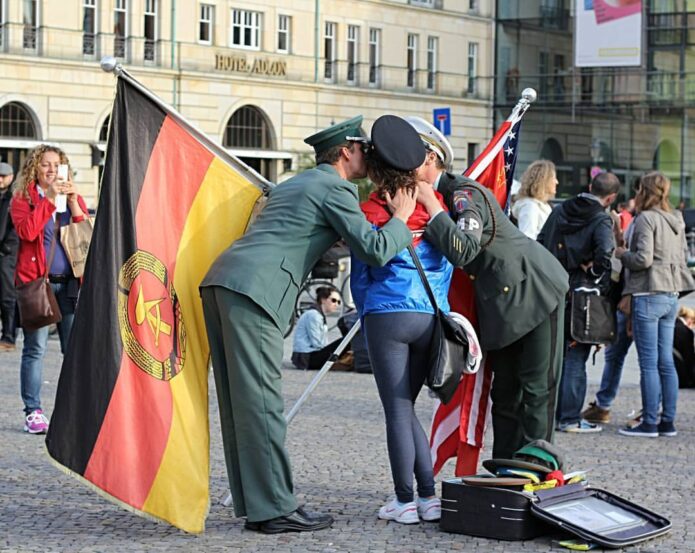
At the Brandenburg Gate, once a symbol of division, the past now plays dress-up. Army gear, old flags—props for tourists. For a small fee, of course.

Once, men fought and died for these symbols. Now, they’re souvenirs. Time does that—turns battlegrounds into backdrops.

It made me think. Identity is a border of its own. What defines us, also excludes.

So, what defines you? What else could you become?

And the bigger question—what borders exist in your mind that you don’t even know are there?

(at Brandenburg Gate (Potsdam)
Good Work Solves Today. Great Work Lasts for Generations.

What are you working on? And how are you working on whatever you are working on?

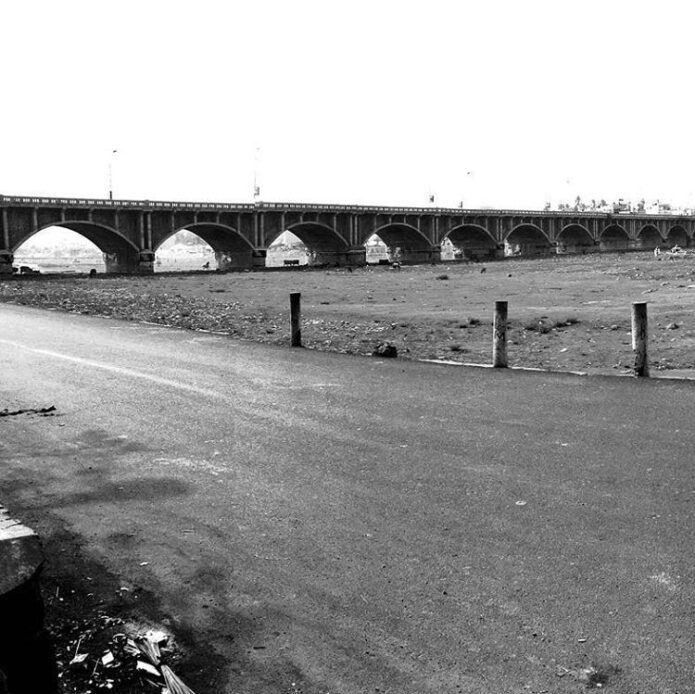
The Albert Victor Bridge in Madurai was built in 1886 and was supposed to last a 100 years! It’s still standing. Being of value and use to the day. Long after the engineers went back and the river ran dry.

Good work solves problems. Great work solves problems, through time as well. The option to do both exists all the time. The choices are ours to make.

(at Madurai, India)

A Bird in Hand—And the Joy of Watching It Appear

They say a bird in hand is worth two in the bush. But what about a bird drawn on a hand?

For a child, it’s magic. A few careful strokes, a little waiting, and suddenly, a bird appears—etched in Mehendi, alive in her imagination. The flutter in her eyes, the quiet twitch at the corner of her mouth—it’s a joy no real bird could match.

It’s not the big toys that bring the deepest happiness. Sure, they shine. But the small moments, the ones spent laughing, waiting, watching something take shape—those stay green in the mind.

Because joy isn’t just in what we hold. It’s in what we create.

The Roads That Were Never Roads: Lessons from Madurai’s Village Temple

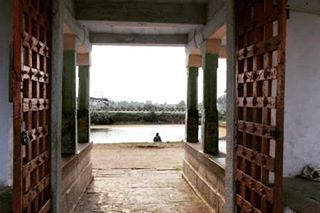
The gates open to a quiet courtyard, framed by four pillars. Step past them, and a ruffled mud road meanders ahead, leading into the lake, beyond which stand great trees. Keep walking, and the rolling hills stretch out, pristine and endless.

The village temple marks time through its many celebrations, but for a city dweller standing here, the past whispers through the landscape. The roads his parents walked suddenly feel clearer—long roads that were never roads at all.

Their journeys began not by asking “Is there a road?” but by stepping forward anyway. Their dreams were never limited by paths already drawn. They made their roads.

Perhaps that is the lesson these great doors hold—step through, look ahead, and go.

Bikers in Formation: The Sound, The Sight, The Spirit

There’s something special about a community in motion. And when that motion is on bikes, it’s something else altogether.

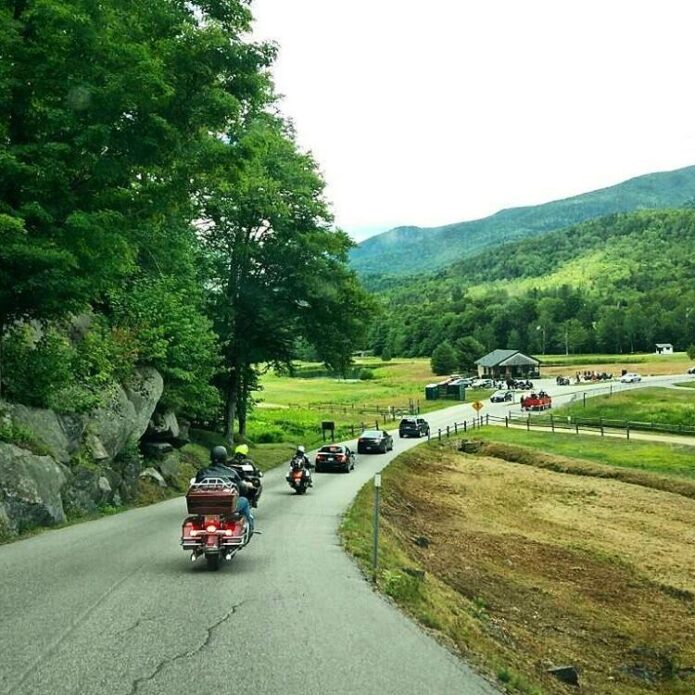
Driving across the US, I saw them often—groups of bikers, engines roaring long before they came into view. Then, for a few fleeting seconds, they would appear—gliding, leaning, perfectly in sync with the road. And just like that, they’d be gone.

Maybe it’s the way they hug the road, the way the sound fills the air, or the way their presence lingers long after they’ve disappeared. They don’t just ride, they command attention—in sound, sight, and spirit.

What must it be like, to ride with the wind, to feel the world rush past, to have nothing but open road and a revved-up heartbeat?

Freedom. Movement. Brotherhood.

Somewhere in that formation, there’s a kind of unspoken poetry—one that only the road can write.

The Midnight Ride That Still Captures Imagination

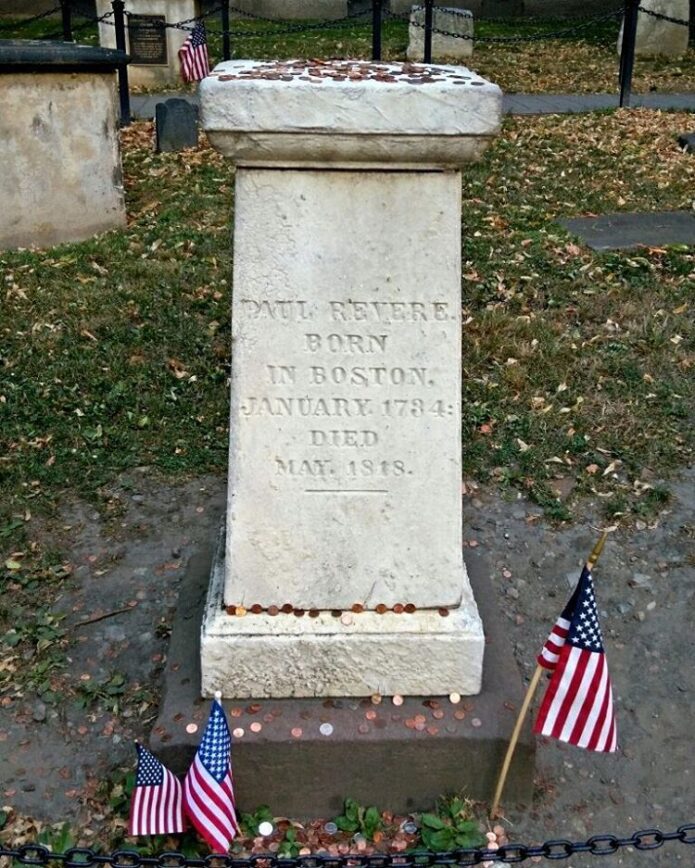
Some people live a life that goes beyond their own lifespan and extend to generations. Paul Revere’s was one such. Imagine a life story from the 17th century that still captures attention laced with reverence.

Paul Revere was a successful silversmith who played a defining role in the American Independence struggle. A role that centred around devising a system that alerted and kept a watch on the British army. His heroics mounted a fame horse and rode away to glory, when Henry Longfellow wrote a poem called “Paul Revere’s ride”.

He wrote

“Listen, my children, and you shall hear
Of the midnight ride of Paul Revere,
On the eighteenth of April, in Seventy-Five;
Hardly a man is now alive
Who remembers that famous day and year”

I stood along with a set of curious folks who had got to the Granary Burial Ground in Boston. To look him up after reading his exploits the previous day.

For a gent who was born in 1734, that is some recognition, isnt it?

(at Granary Burial Grounds- Boston, Ma)

The Awesome Takes Time: What the Golden Gate Bridge Teaches Us

It’s practically illegal to visit San Francisco and not post a picture of the Golden Gate Bridge. Or so it seems, judging by the questions when you don’t! 😄

But beyond its stunning presence, this bridge is a lesson in persistence. Built in 1937, it didn’t just appear overnight. It took over a decade of battling opposition—financial worries, engineering doubts, even fears that it would ruin the bay’s beauty.

Today, those objections feel almost absurd, drowned out by its practical and symbolic value.

Because here’s the thing—the awesome doesn’t get built overnight. And most importantly, it doesn’t look awesome when it’s still in the mind.

So, what are you building? Keep going. The world may not see it yet, but one day, they’ll wonder how it ever wasn’t there.

The Sather Tower: Time, Legacy, and a Secret Inside

Every great campus has an icon, and at the University of California, Berkeley, the Sather Tower is impossible to miss. It dominates the sky, commands attention, and quietly watches over generations of bright minds passing through.

At 307 feet, it’s the third tallest clock tower in the world, but its real significance isn’t just its height—it’s the aspiration it represents. For decades, students have walked beneath it, dreamed beyond it, and carried its legacy forward.

And here’s a twist—it’s not just a timekeeper, it’s a time capsule. Hidden inside? A fossil collection from Berkeley’s Department of Biology, preserving life from long before 1914, when the tower was built.

It tells time. It stores time. And for many, it shapes lifetimes.

Harvard’s Most Famous Statue—That Isn’t John Harvard!

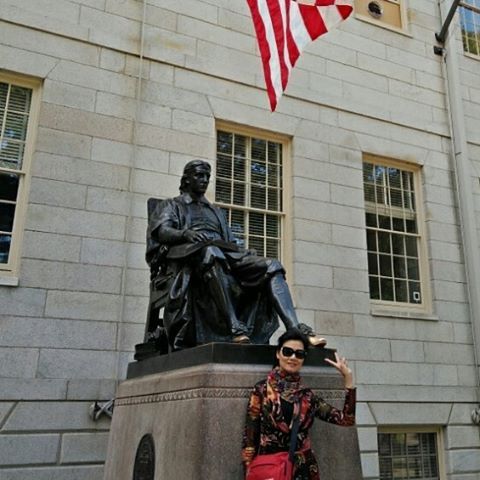
John Harvard sits pretty in Harvard Yard, watching over students and tourists alike. His left shoe gleams, polished by thousands of hopeful hands rubbing it for luck.

But behind the statue lies a story of mistaken identity—actually, two.

First, John Harvard wasn’t the founder of Harvard University, just its most generous early benefactor. And second, when the time came to build the statue, no one knew what he looked like. So, they used the face of another man!

Despite this, the statue is said to be the third most photographed in the US, after the Lincoln Memorial and the Statue of Liberty.

Now that’s an impressive legacy—to become iconic, even when history got the details wrong!

#JohnHarvard #HarvardLegends #StatueWithAStory

Skyline Illusions: San Francisco’s Double Act

A city’s skyline can feel like a carbon copy of ambition—jagged concrete dreams reaching upward, standing in silent competition. From afar, they all seem the same.

But look closer. No two skylines are alike. The details whisper—the polished glass facades, the murmurs in the air, the street music shaping the mood. These are the signatures of a city, the pulse beneath the architecture.

San Francisco’s skyline plays a game. Business-like. No-nonsense. A stiff upper lip. But let the Pacific breeze brush past you, step beyond the steel towers, and descend into the valleys of the city—that’s when the façade fades. The real San Francisco isn’t just in its skyline. It’s in the hills, the streets, the unexpected turns.

Some cities invite you in. San Francisco? It teases, then surprises.