disrupt

Good Work Solves Today. Great Work Lasts for Generations.

What are you working on? And how are you working on whatever you are working on?

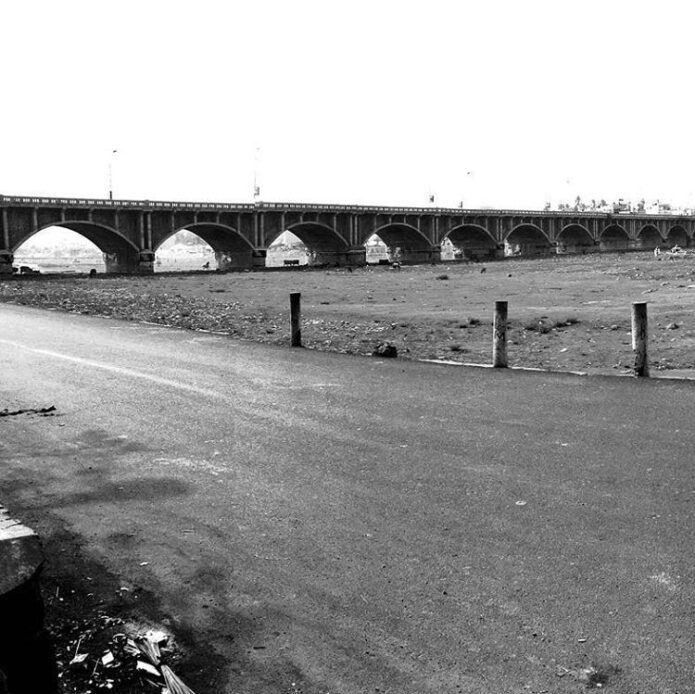
The Albert Victor Bridge in Madurai was built in 1886 and was supposed to last a 100 years! It’s still standing. Being of value and use to the day. Long after the engineers went back and the river ran dry.

Good work solves problems. Great work solves problems, through time as well. The option to do both exists all the time. The choices are ours to make.

(at Madurai, India)
The Roads That Were Never Roads: Lessons from Madurai’s Village Temple

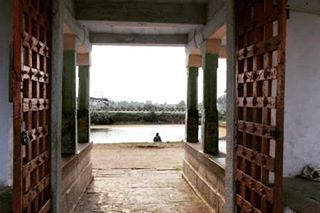
The gates open to a quiet courtyard, framed by four pillars. Step past them, and a ruffled mud road meanders ahead, leading into the lake, beyond which stand great trees. Keep walking, and the rolling hills stretch out, pristine and endless.

The village temple marks time through its many celebrations, but for a city dweller standing here, the past whispers through the landscape. The roads his parents walked suddenly feel clearer—long roads that were never roads at all.

Their journeys began not by asking “Is there a road?” but by stepping forward anyway. Their dreams were never limited by paths already drawn. They made their roads.

Perhaps that is the lesson these great doors hold—step through, look ahead, and go.

Bikers in Formation: The Sound, The Sight, The Spirit

There’s something special about a community in motion. And when that motion is on bikes, it’s something else altogether.

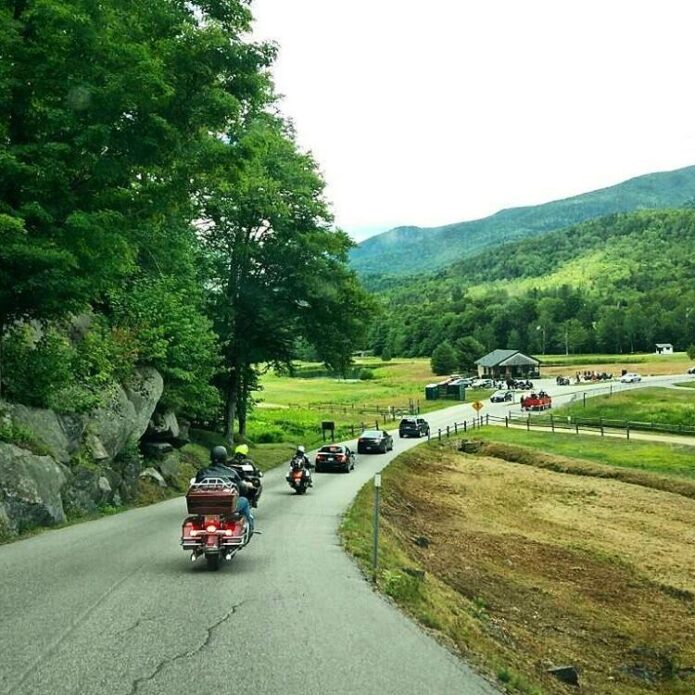
Driving across the US, I saw them often—groups of bikers, engines roaring long before they came into view. Then, for a few fleeting seconds, they would appear—gliding, leaning, perfectly in sync with the road. And just like that, they’d be gone.

Maybe it’s the way they hug the road, the way the sound fills the air, or the way their presence lingers long after they’ve disappeared. They don’t just ride, they command attention—in sound, sight, and spirit.

What must it be like, to ride with the wind, to feel the world rush past, to have nothing but open road and a revved-up heartbeat?

Freedom. Movement. Brotherhood.

Somewhere in that formation, there’s a kind of unspoken poetry—one that only the road can write.

The Midnight Ride That Still Captures Imagination

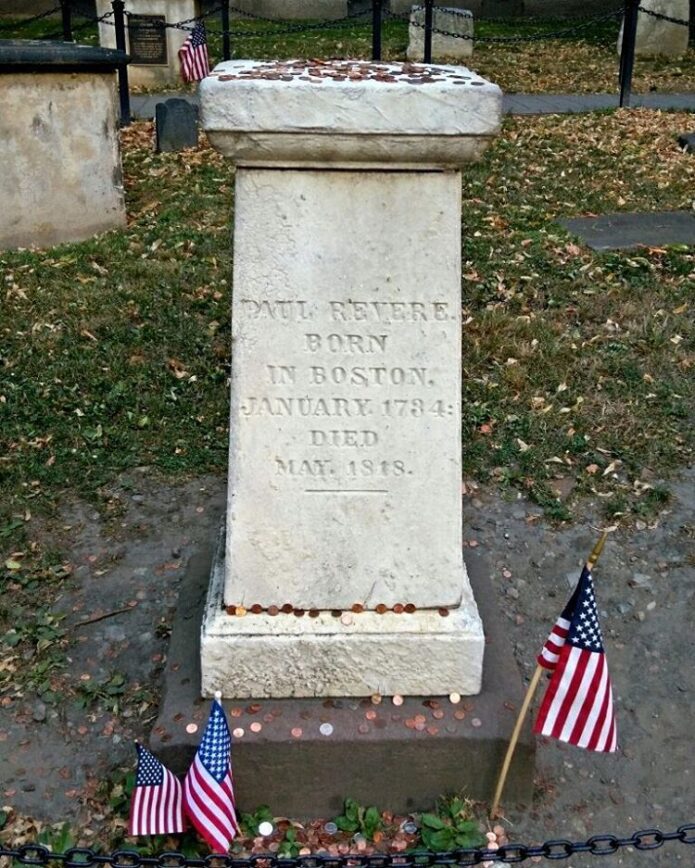
Some people live a life that goes beyond their own lifespan and extend to generations. Paul Revere’s was one such. Imagine a life story from the 17th century that still captures attention laced with reverence.

Paul Revere was a successful silversmith who played a defining role in the American Independence struggle. A role that centred around devising a system that alerted and kept a watch on the British army. His heroics mounted a fame horse and rode away to glory, when Henry Longfellow wrote a poem called “Paul Revere’s ride”.

He wrote

“Listen, my children, and you shall hear
Of the midnight ride of Paul Revere,
On the eighteenth of April, in Seventy-Five;
Hardly a man is now alive
Who remembers that famous day and year”

I stood along with a set of curious folks who had got to the Granary Burial Ground in Boston. To look him up after reading his exploits the previous day.

For a gent who was born in 1734, that is some recognition, isnt it?

(at Granary Burial Grounds- Boston, Ma)

The Romance of Clouds and Peaks: A Lesson in Perspective

Mountains don’t just stand—they stretch. They invite, they teach, they expand your sense of what’s possible.

When the clouds kiss the peaks, and the ground beneath hums with quiet excitement, your eyes drift—not just to the heights, but to the horizon.

And there, beyond the first set of peaks, another set awaits—wrapped in their own clouded embrace, whispering the same story.

You smile. You understand expanse. Not just of the mountains, but of perspective, possibility, and wonder.

Because some lessons can’t be taught. Only experienced.

The Chase for the Sky: Reflections in Glass and Ambition

The searing rush to the top—mirrored perfectly by the dark glass façade that reflects everything but reveals nothing.

Standing on the street below, neck craned, you can’t help but admit—it’s beautiful. Not in a warm, familiar way, but in a way that speaks of ambition, precision, and power.

The light dances, the shadows shift, and the building transforms with every passing cloud.

The interplay of light and dark always has this effect. It hides, reveals, and reminds—that beauty isn’t just in what you see, but in what you perceive.

Born to Run: The Effortless Beauty of a True Runner

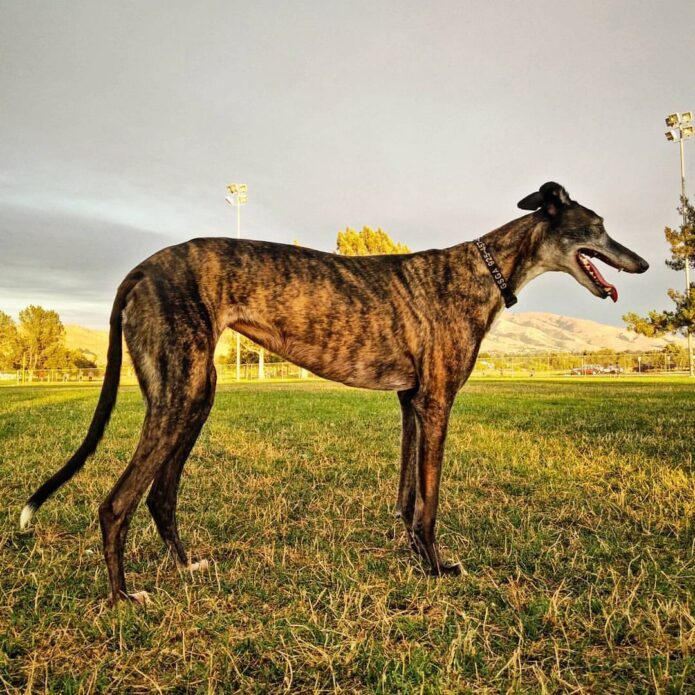
A runner stands apart. You don’t need to look twice. The lean muscles, the poised stance, the effortless readiness—it’s all there, waiting for the next burst of speed.

And when the open space calls, they don’t just run. They glide.

Watching a greyhound take off is pure joy. The stretch, the arc, the rhythm—it’s movement at its most natural, most beautiful.

And when the sun begins to set, framing the runner in gold, it’s more than just a sight. It’s a moment.

More Than Monuments: Washington DC’s Metro and Movement

A city is more than just its buildings and roads. It’s the character of its infrastructure and the twinkle in the eyes of those who move through it.

Washington DC stands tall. A city of power, history, and movement. But beyond the monuments and politics, it has something else—a metro that works.

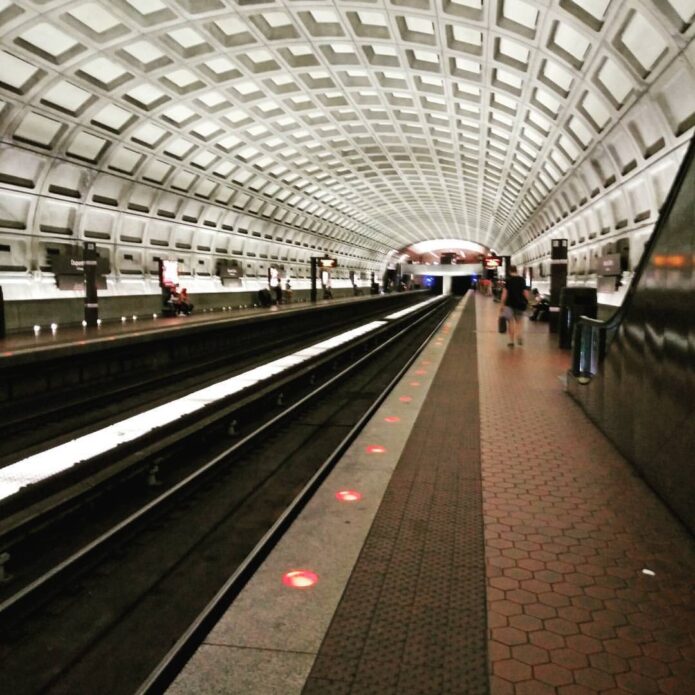
At Dupont Circle Station, the sleek tunnels and quiet efficiency tell their own story. A system that keeps the city moving, connects the stories, and makes the everyday a little smoother.

Sometimes, a city’s soul isn’t just in what it stands for—but in how it moves.

Standing Under Another Flag: What Changes, What Doesn’t

The stories we tell ourselves—about who we are, about others, about the world—can feel absolute. Until we stand in another land, under another flag.

Perspective shifts. Assumptions blur. Differences exist, but so do unexpected similarities.

And then, a simple truth emerges—the skies of the world are all blue. Borders may divide, but above us, the sky has no lines.

Sometimes, all it takes to rethink the stories we hold is standing somewhere new.

It’s Not About the Weight—It’s About How We Carry It

It’s not always about how heavy the weight is—but how we carry it.

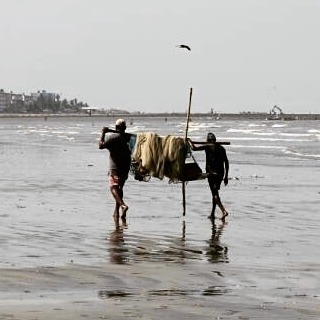
At Juhu Beach, fishermen share the load, shifting their gear between shoulders, distributing effort. What looks like routine is really a lesson in resilience—burdens are lighter when carried together.

Life isn’t any different. A listening ear, a helping hand, a quiet presence—sometimes, that’s all it takes to ease someone’s load.

So this week, who are you lending a shoulder to? It might make all the difference. Because we never really know what someone else is carrying.