Brisbane

Watching The Wind Work

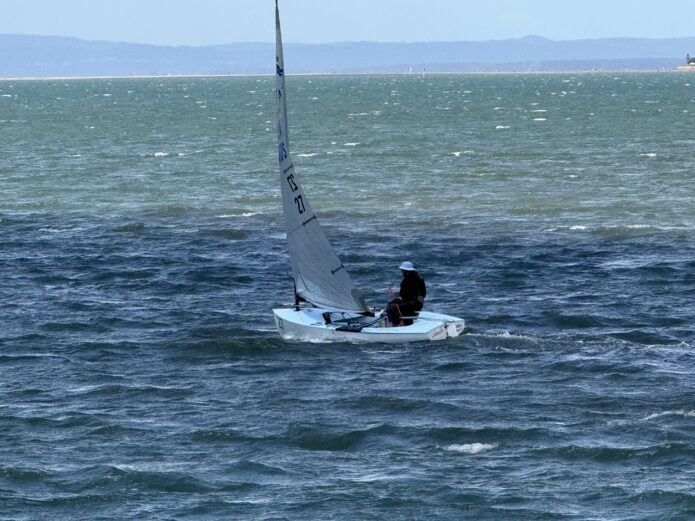
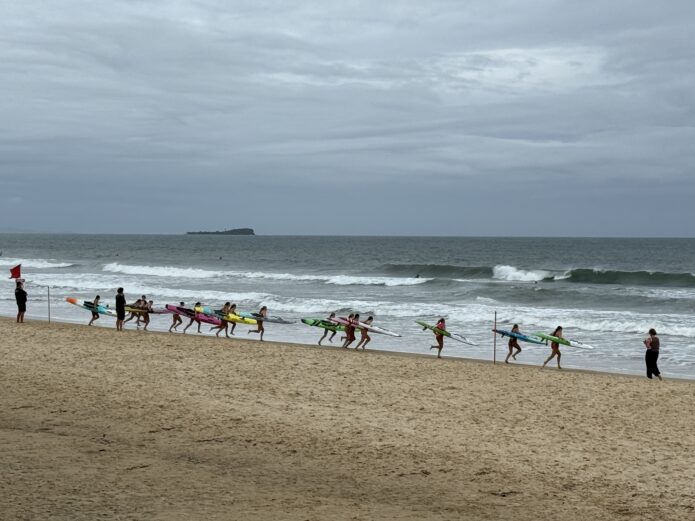
One bright afternoon in Manly, I stood by the water and found myself watching the wind work. The sea was calm, the sky spotless, and a light breeze played around like it had nowhere in particular to be. Then a boat caught the wind, its sail filled, it leaned slightly, and began to move. Just like that.

You cannot catch the wind with your hands. You can wave, grab, or plead, but it slips right through. Yet stretch a bit of cloth in the right way, and the same wind will take you places. The trick is not strength, but alignment.

We do this in life all the time. We try to hold on to things we cannot. Control people. Plan every detail. Manage every outcome. All we end up doing is flapping about like a loose sail. The world moves anyway; the only choice we have is how we set ourselves to it.

The sailors made it look effortless. A tug on a rope here, a small turn of the wheel there, a quiet adjustment to the wind. They did not fight it; they worked with it. When the wind changed, they changed too. Calmly. In rhythm.

Lessons from the Shore

Perhaps that is what wisdom looks like. Knowing when to act and when to let the wind do its work.

And yes, there was a little competition too. You could see one sailor glance sideways at another, quietly comparing. Humans will be humans. Even grace comes with a touch of rivalry.

Standing on shore, I realised that the boats moving best were not the ones straining hardest. They were the ones that had learnt to work with the wind.

Maybe that is the real art of living. You cannot hold the wind. You can only understand it, trust it, and let it carry you forward.

PS: Here are some other posts from the trip down under.

The Brown Snake and I

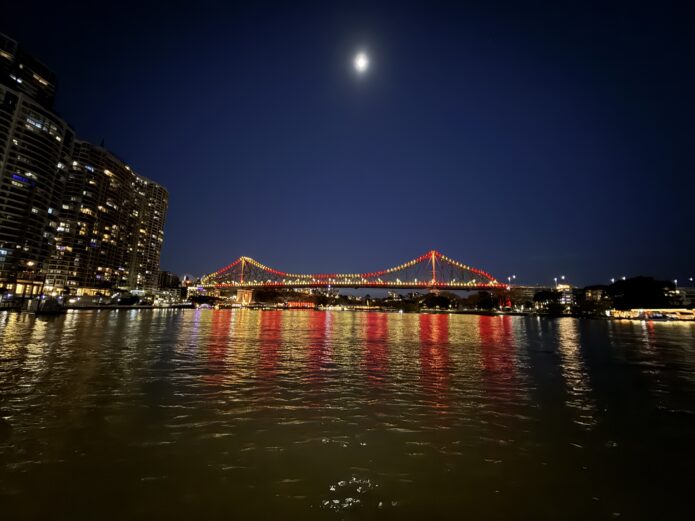
It was one of those Brisbane evenings that felt neatly put together. The moon hung above the Story Bridge, the bridge glowed in red and gold, and the river below reflected it all as if it knew its role.

This is the Brisbane River. But long before it became a postcard, it was Maiwar. The river of the Turrbal people, the first caretakers of this land. They lived along its bends for thousands of years before Europeans arrived in the 1820s. For them, the river was everything. Food, road, temple, and teacher.

The Meeting Place and a Cricket Fortress

The Turrbal people had names for every turn of the river. Woolloongabba meant “meeting place.” It still lives up to that name. It is now home to the famous cricket ground, The Gabba, where every few years India meets Australia to settle who really runs cricket.

In 2003, Sourav Ganguly’s brave century on a green, bouncy pitch showed that India had grown tired of being called timid. Then in 2021, a young, injury-hit team came back to do the impossible. Breaking Australia’s 32-year unbeaten record at the Gabba with courage, calm, and a touch of cheek.

It wasn’t just a win; it was a story of belief and joy. Many said the fortress had fallen. I thought otherwise. In fact, the Gabba stood taller for it. It proved again why sport matters: to host rivalries, to test effort, to stretch courage, and to honour that often-abused but still-revered phrase, the spirit of the game.

Funny how I started writing about the river and ended up at the cricket ground. But then again, the river has seen it all. Floods, bridges, and the odd boundary.

The River That Refused to Straighten

People call the river, ‘Brown Snake’. And the name fits. It winds through the city, calm and sure of itself. People jog along it, sail on it, build towers beside it and sometimes, when it floods, remember who’s really in charge.

Along its banks, the city gathers quietly.

Queensland’s Parliament House sits near one of the curves, looking calm and serious as if the river is ready with the next question. The kind that would embarrass a minister and still ask the opposition what they were doing all this while. A little further down, government offices line the shore, their glass windows catching the light. Across the water, old timber homes in Teneriffe stand beside tall new apartments, both pretending they belong together.

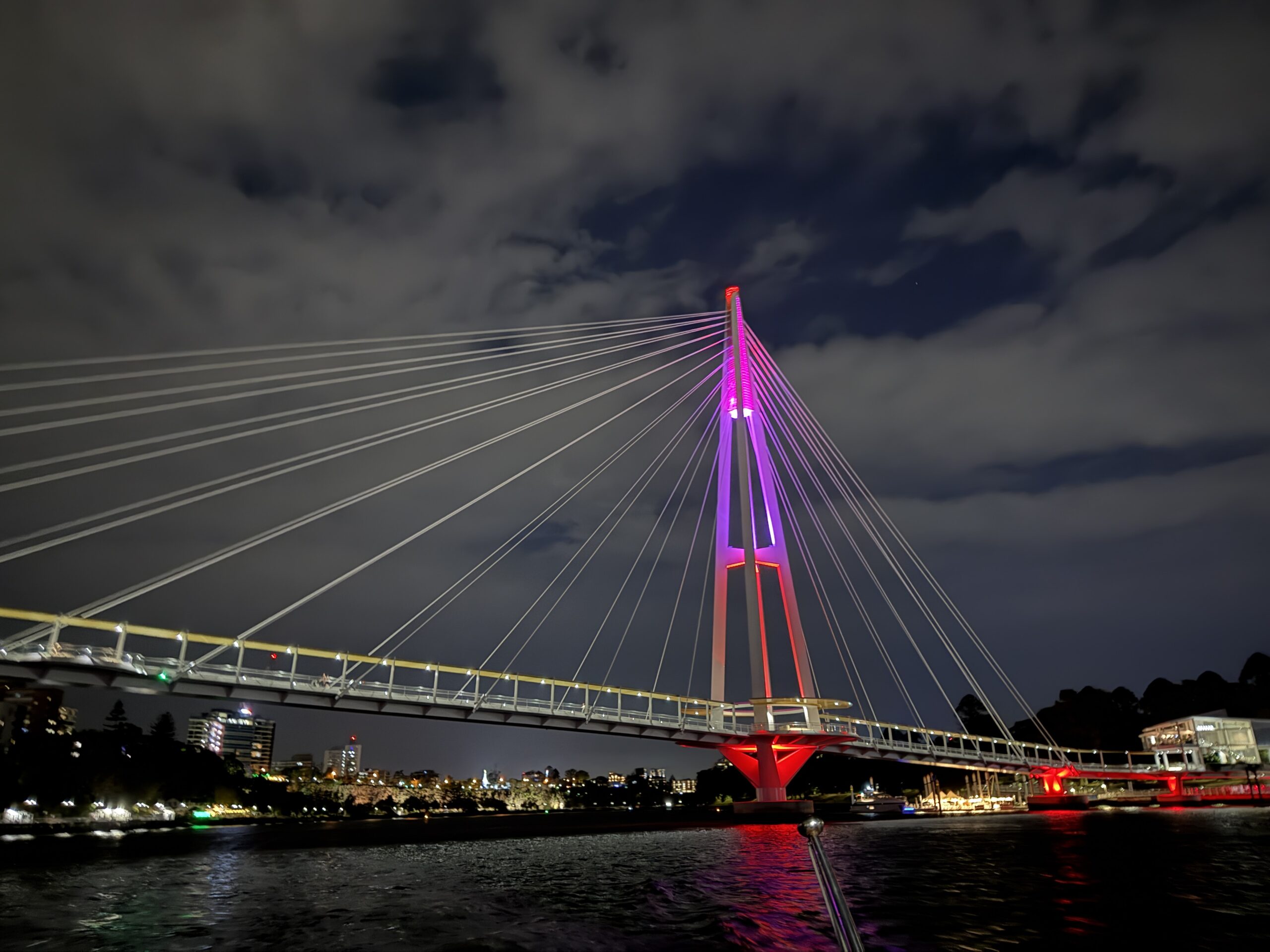
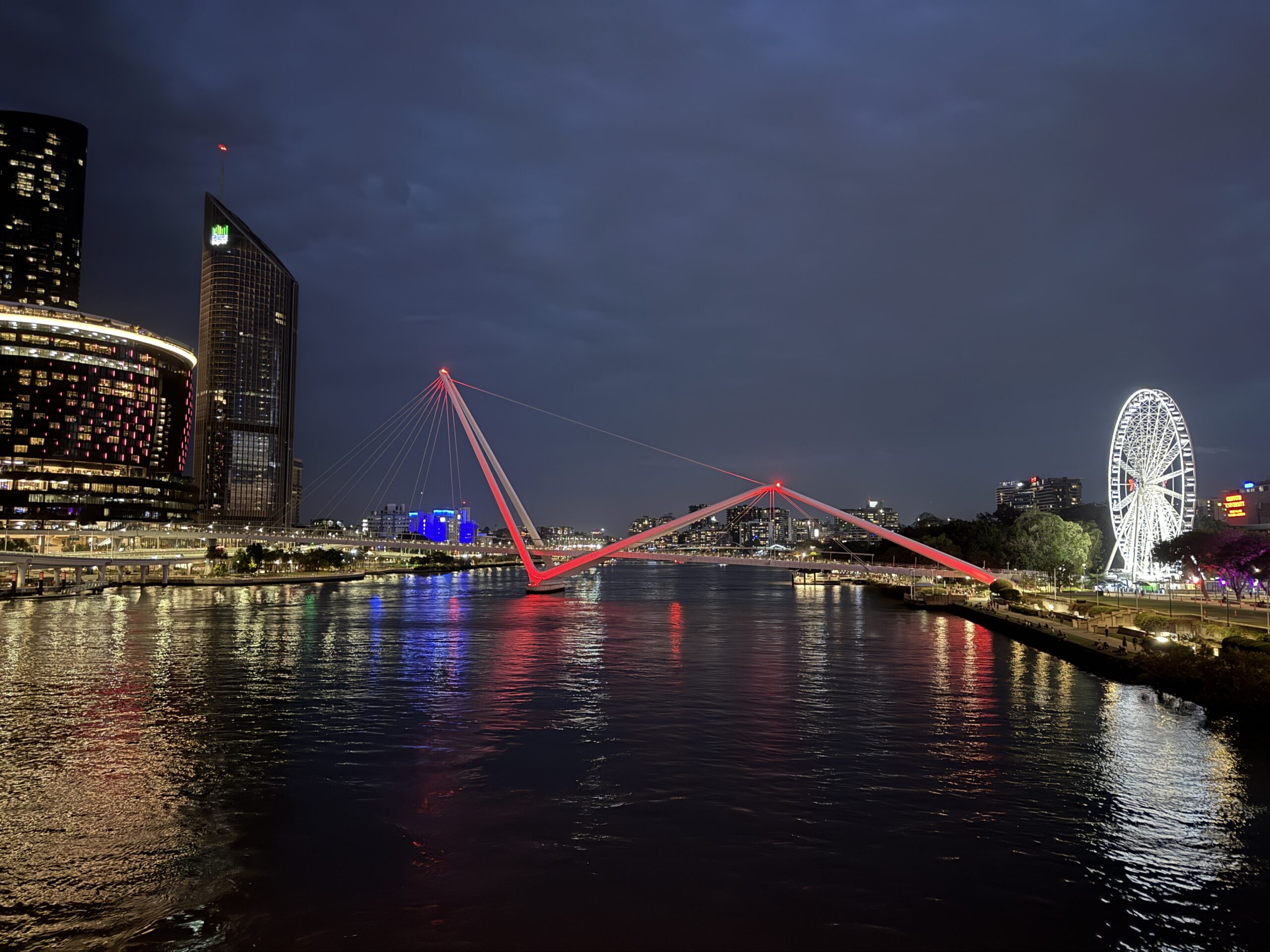
Kurilpa Bridge — a web of light and steel across the Brisbane River. It carries walkers, cyclists, and late-night wanderers
Kurilpa Bridge — where steel meets stillness, and the Brown Snake plays along.
The Neville Bonner Bridge — Brisbane’s newest way to cross the Brown Snake, or to stop halfway and take another photo of it.

At South Bank, the Wheel of Brisbane turns slowly over the river. It’s a giant Ferris wheel that looks like it’s keeping an eye on the city. At night, its lights shimmer on the water, mixing with reflections from cafés and bridges. Downstream, near the University of Queensland, students walk and talk by the water, thinking of exams, futures, and maybe nothing at all. The Brown Snake watches them all, moving quietly past.

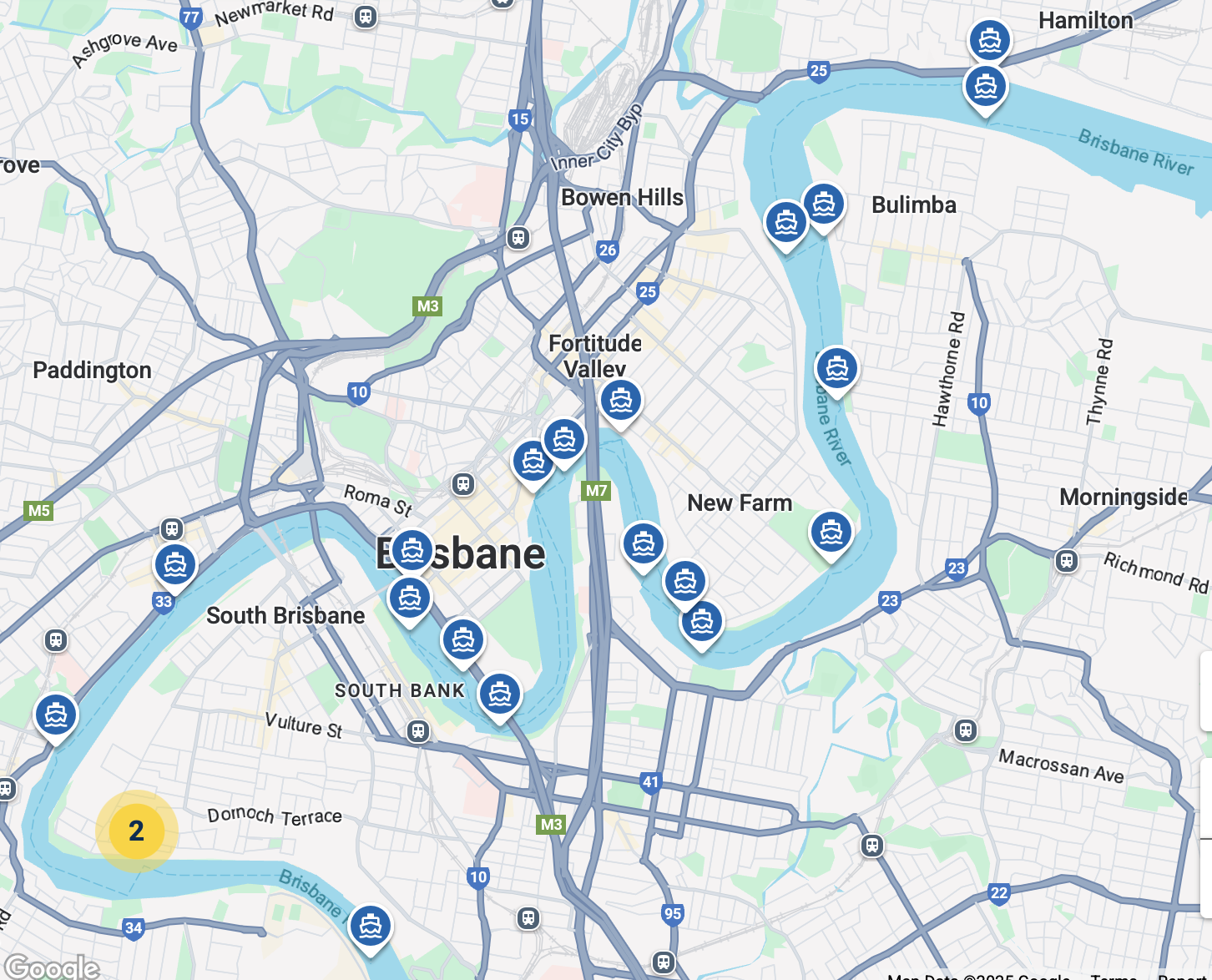
The Brisbane River tracing the city’s heart . A ribbon of water, movement, and memory.

Later that night I read how early European settlers once tried to make this river straight. They brought dredges and plans, confident they could tidy nature’s design. The Brown Snake was fiercely Australian. It refused and kept curving and silting as it pleased, reminding everyone that some things are meant to meander.

Bridges, Lights, and the CityCat

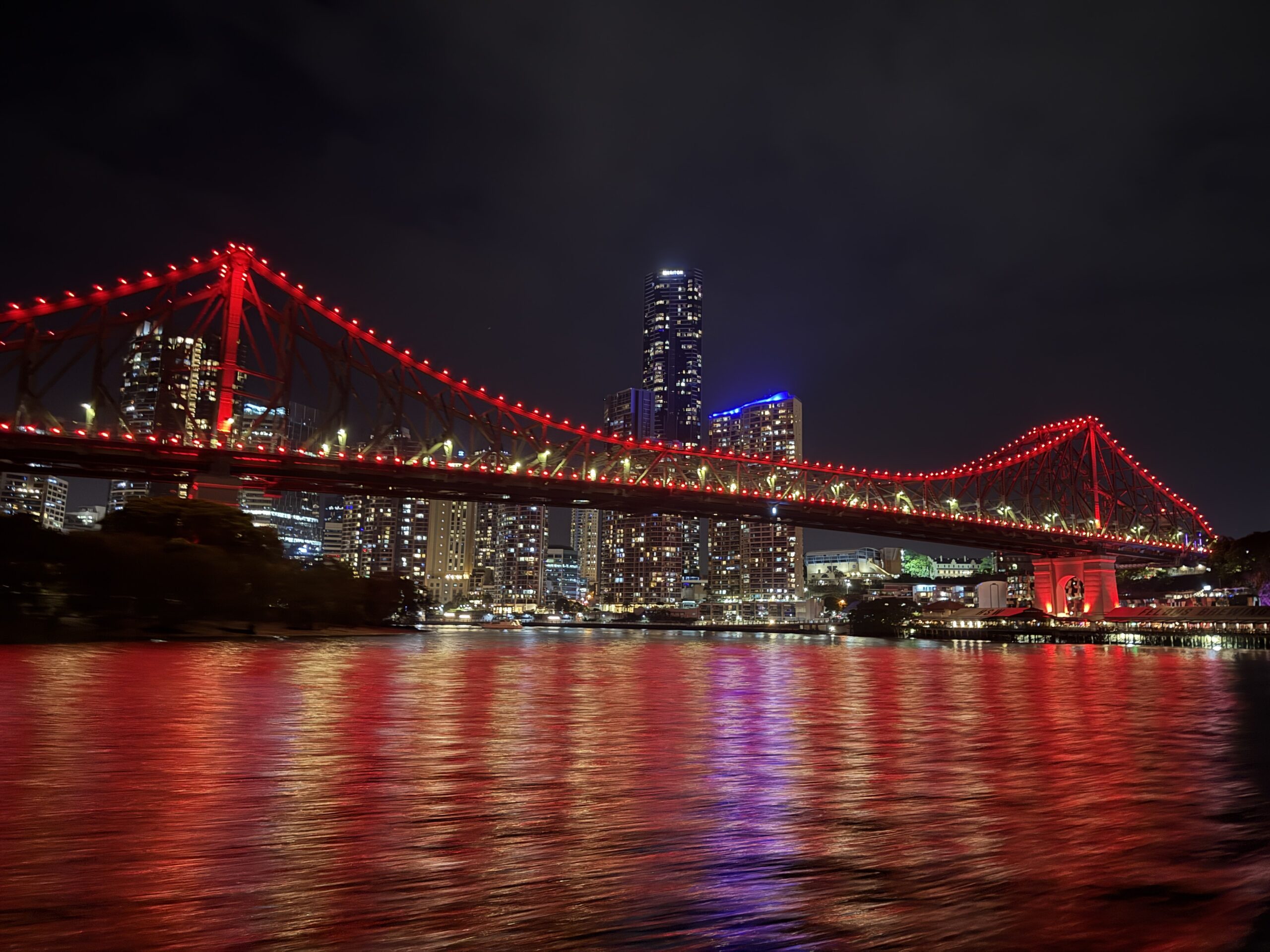
Sixteen bridges now cross this river. The old Victoria Bridge has been rebuilt more than once. The Story Bridge, born in the Depression years, is Brisbane’s favourite landmark. Every night it glows like a festival — blue, gold, purple — changing colour depending on what the city is celebrating or mourning.

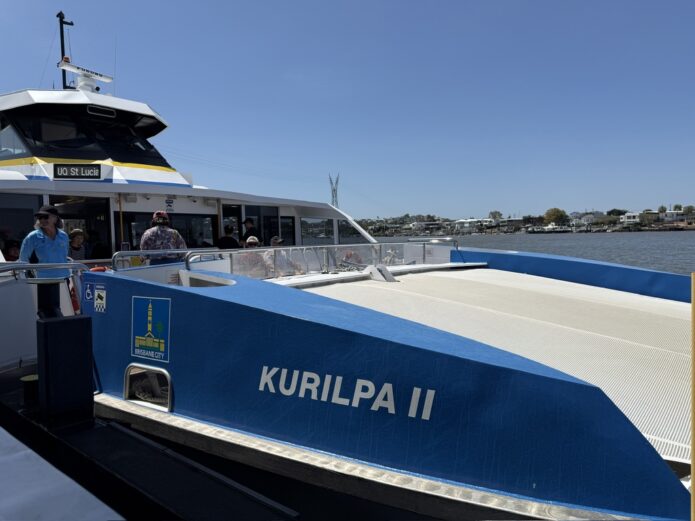
I took the CityCat a few evenings. Long, sleek, and painted in cheerful blues and whites, it glides along the river like a quiet promise. Office workers scroll on their phones. Tourists seem to take the same photo over and over. An extended hand holding a phone and clicking a picture is a standard feature! Somewhere, a child points at the moon.

The Story Bridge. Proof that even steel can smile when the lights come on.
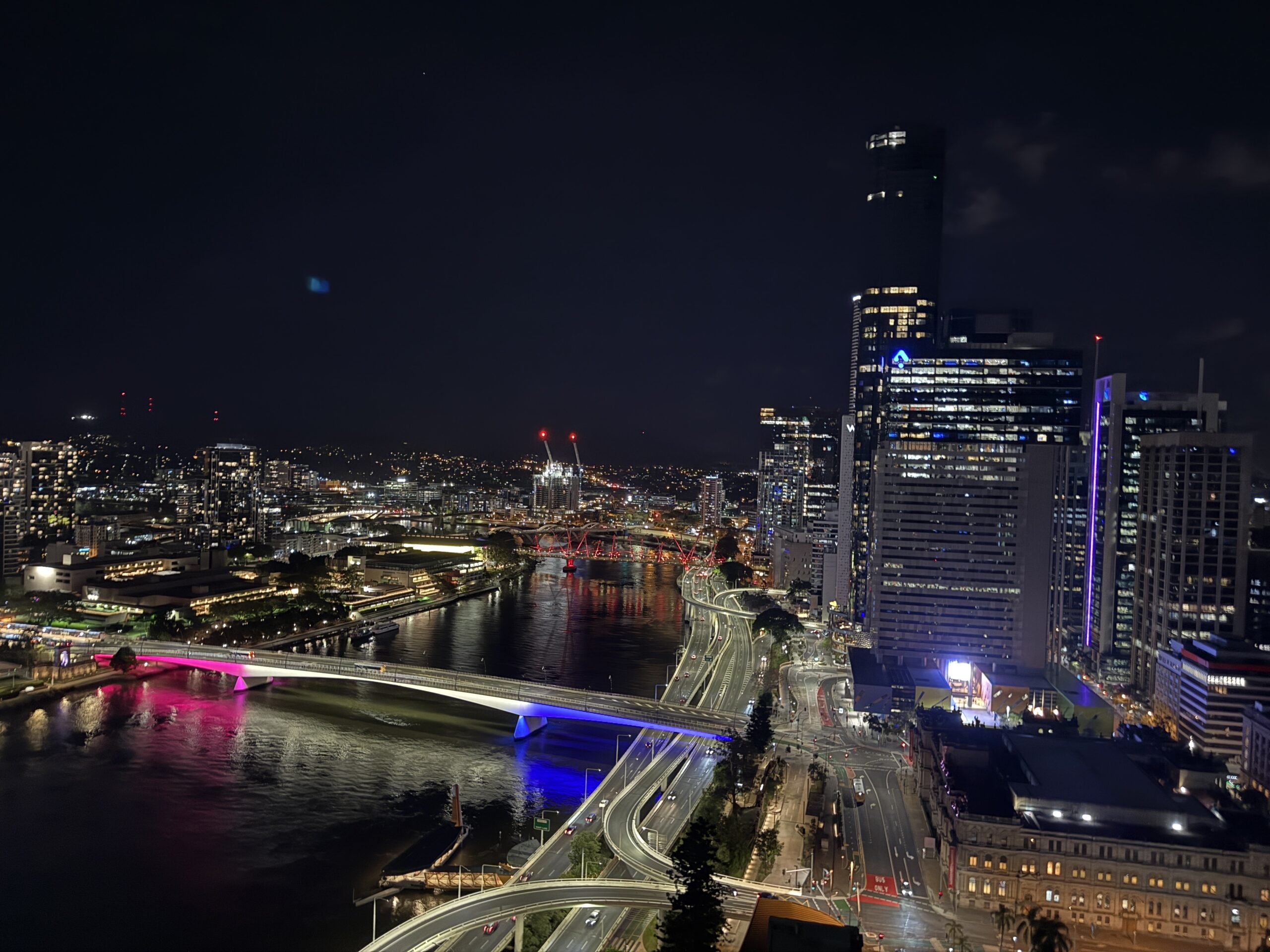
The Brown Snake seen from above. Calm, luminous, and endlessly patient, holding Brisbane in its curve.

On one side, picture-perfect apartments lean over the water, all glass and balconies. On the other, green parks and old timber wharves stand calmly, pretending not to notice. The air smells faintly of salt and weekend plans.

The Rivers That Made Me

Somewhere between two stops, my mind wandered home. To Madurai. To the Vaigai. The river I grew up by. Once the pride of the city, now mostly a trickle between bridges that are newer than the water beneath them. Still, people cross, live, and hope. That’s what bridges are for.

And then I thought about space and wondered how many people live per square kilometer relative to spaces that I am used to.

Brisbane breathes at around 176 people per square kilometre.

Madurai hums at 8,800.

Mumbai roars at 33,000.

For ordinary people, that’s not density. That’s destiny.

Here, everyone seems to move. Running, rowing, cycling, sailing. But try getting a doctor’s appointment, and you’ll learn what patience truly means. The Brown Snake has its own pace, and so does the city.

Vaigai trickles. Maiwar flows. Mumbai surges. Each carries its own rhythm and lesson.

What Rivers Teach Us

As the CityCat slipped under the Story Bridge, the moon brightened above, and the Brisbane River — the Brown Snake — shimmered gold. The ferry hummed softly, carrying people home, and I felt the city exhale.

My mind darted back to the waters I’ve known: the restless sea in Mumbai, the fading Vaigai in Madurai, and this calm, brown river in Brisbane. Each carries its own rhythm . The sea crashes, the Vaigai sighs, the Brown Snake flows and forgives.

Mumbai teaches me motion. Madurai teaches me memory. Brisbane, perhaps, teaches me stillness and flow. Together, they remind me that home is not fixed to a pin on a map. It is a current that carries you forward, again and again, asking you to move, to meander, and to remember.

Rivers don’t just flow; they hold time. They carry stories we’ve forgotten how to tell. Stories of people, floods, bridges, and beginnings. The Brown Snake has watched Brisbane rise, falter, and rise again. It asks for nothing, but it seems to remembers everything.

Maybe that’s what rivers teach us in the end . That strength isn’t about speed or noise, but about keeping on, quietly, towards the sea.

Between the Big Blue Sky and the Brown River

I met him on the CityCat. Brisbane’s river ferries glide along the brown river, under bridges that look like bent straws, past cafés and joggers who seem permanently cheerful.

Joseph was a deckhand. A big native Australian with shoulders that looked built for the river. His job was to haul the rope, open the gate, wave people in, and make sure no one fell into the water. He did this every few minutes, at every stop. Do that a hundred times a day and anyone would be bored to death.

Not Joseph.

He moved like it was his first day at work. Cheerful. Focused. Alive. There was a bounce in his step and a twinkle that matched the river’s shimmer.

It was a Sunday evening. I had time to kill, so I stayed on the ferry all the way to Hamilton, where the boat turns and snakes back again. When we docked, I asked him, “What makes you smile and work so hard?”

He paused, smiled wider, and said, “I love the river. I love the big blue sky. This river is mine. This sky is mine. And when you come on board, sir, it gives me joy to take care of you.”

It wasn’t corporate enthusiasm. I’ve been around long enough to smell PowerPoint sincerity from a mile away. This was real.

We started talking. We spoke about people, work, and how both of us survived Covid. His words were simple, but the kind that stay with you. As I left, he said, “Take care, mate. Come back soon.”

A few days later, I boarded a Singapore Airlines flight home. The service there is famously polished, like chrome. An air hostess with a more than merely perfect smile welcomed me aboard. Encouraged by Joseph, I asked the young lass the same question.

“What makes you smile and work so hard?”

She smiled her perfect smile. The kind they probably practise before every flight. She thought for a fleeting second, and delivered her answer with the poise and precision Lee Kuan Yew might have admired.

“I have to,” she said. I liked her honesty and told her that.

Through the flight, she was impeccable. Efficient. Precise. Polite. Nothing wrong. Nothing missing. Except something invisible.

As I got off, I said, “Good luck.” She blinked, surprised. Then said, “Goodbye, sir,” and went back to her line of farewells.

Two smiles. One sculpted by discipline; the other shaped by the river and the sky.

Between the big blue sky and the brown river perhaps lies the distance between precision and presence.
Between duty and delight.
And between, having to and wanting to.

The Price of Form: Why Design and Care Matter

Walking through Brisbane, I saw something simple but powerful. Storefronts, still under construction, covered in bright art. Not just a splash of colour. Thoughtful, intentional design. It changed the whole street. Made it feel alive. Inviting.

“But isn’t that fake?”

If a store isn’t ready, shouldn’t it show its real state? The half-built shelves, the bare floors, the mess? Isn’t authenticity about showing things as they are?

Authenticity doesn’t mean exposing every flaw. A closed store with bright art isn’t hiding the truth. It’s offering something better to those who pass by. It’s saying, “Yes, we’re still getting ready, but here’s something beautiful in the meantime.”

It reminded me of a conversation in India. Someone told me, “Art comes after the family is fed.” A full stomach before a feast for the eyes. The argument was clear—art is an optional extra, a luxury.

But is it?

Hunger is real. Survival comes first. But beyond physical hunger, there is another kind—the hunger for beauty, and connection. A need that isn’t always felt, but exists. A need that, when ignored, leaves something empty in us.

Yes. There is a cost angle. Keeping things well-designed takes money. That’s true. But neglect costs more. The Broken window syndrome is real. When a place looks abandoned, it slides further. When it looks cared for, people respect it.

And that’s the point—intentionality. Art, design, and care shape how we experience a space. They change how we interact with it. How we treat it. A well-kept street, a thoughtfully designed workplace, a welcoming public space—these aren’t just about looking good. They change behaviour. They build connection. And remind us that we aren’t just individuals passing through.

We belong to the whole.

It reminded me of other examples from Mumbai.

Fixing a cracked pavement, adding colour to a dull wall, keeping a space inviting—these aren’t small things. Just as we change ourselves, we must care for our surroundings. Because they shape us too.

Yes, form has a price. But leaving it perhaps costs much more.