

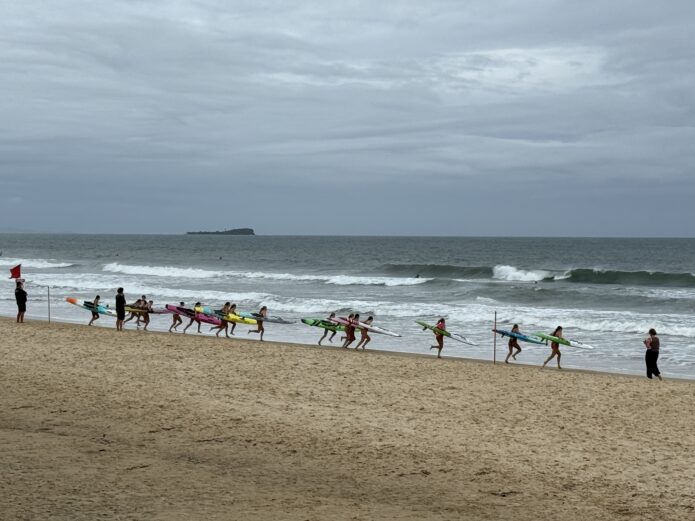
Every time I go to Australia, I notice the same thing.
People move.
Mooloolaba on a weekday evening is not quiet. It is busy in the best possible way. Surfboards tucked under arms. Teenagers charging into waves with heroic optimism. Parents wading in while pretending to supervise. Retirees walking briskly along the promenade as if the sunset has an appointment with them.
One of the harder tasks that evening would have been to locate someone unused to movement. I am sure they exist. I simply could not find one without squinting.
No one looked sculpted. No one looked staged. They just looked comfortable in their bodies.
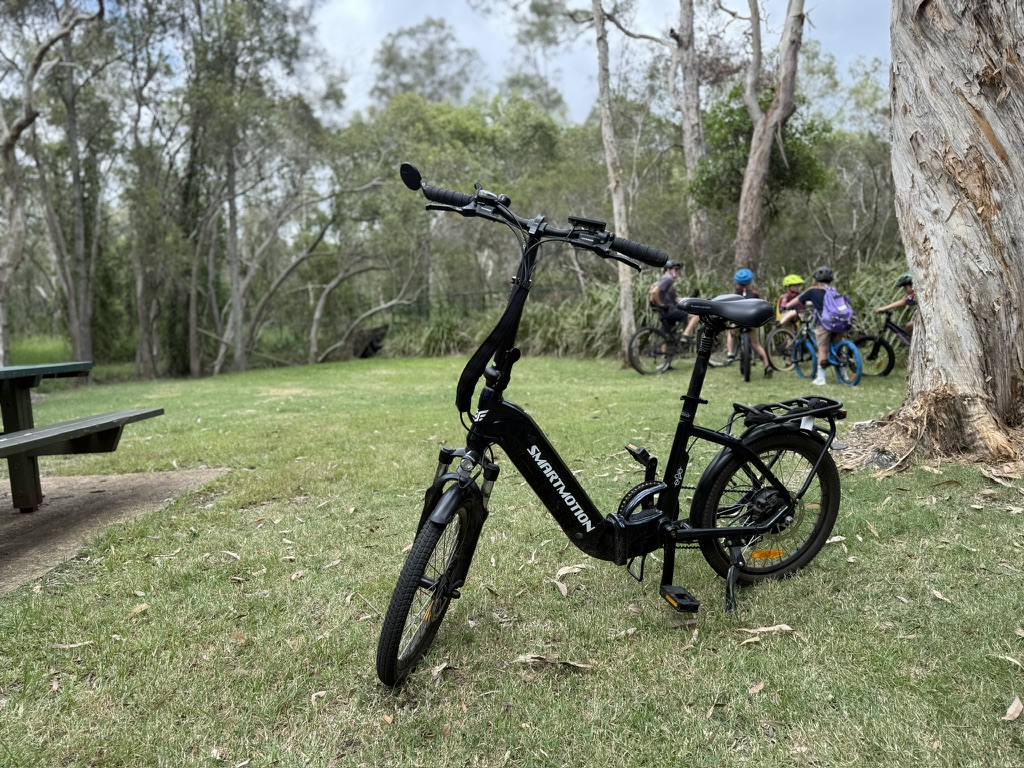
In Brisbane, I rode an electric motor assisted bike along well-established cycling pathways that ran confidently through the city. Wide. Smooth. Built for use, not decoration. The motor gave a gentle nudge. My legs still had to negotiate with gravity. It was tremendous fun.
Researchers call this “green exercise”. Even five minutes outdoors measurably improves mood. Add water and the effect deepens. Some cultures read that research and nod. Others quietly build cities around it.
“But I Don’t Have Time.”
This is the most honest objection. I have used it myself.
Work expands. Responsibilities multiply. Time shrinks. The calendar fills before breakfast.
I have run alongside N. Chandrasekaran when he was leading TCS. Early mornings. No audience. No commentary. If anyone could claim a shortage of time, it would have been him.
Barack Obama kept basketball in his routine while running the United States. Once requiring 12 stitches on his lips after getting injured. The republic survived.
I know numerous CXOs, heads of government bodies, social sector leaders, entrepreneurs who are busy as hell. Flights. Board packs. Investor calls. Policy crises. Yet they paddle. They walk. They play racquet sport. They run. They jog. They lift. They take the stairs.
Not because they have spare time.
Because they decided movement was not optional.
Time is rarely found. It is allocated.
Movement is maintenance of the machine that earns the living. If we neglect the machine long enough, it negotiates back.
“But Those Are Developed Countries.”
That is the other line I hear. And it is partly true.
Yes, Denmark has cycle lanes drawn with engineering pride. Sweden has the sommarstuga, small summer houses by lakes and forests where families retreat and reset. Ministers pedal home. Children cycle to school.
But this is as much about habit as it is about GDP.
One of the most inspiring sights in India is not a luxury gym. It is the open gym in a roadside park in a small town. Bright blue metal machines. Men rotating shoulders at dawn. Women walking in determined groups of three. Elderly gentlemen comparing blood pressure readings between stretches. Children hanging upside down for no reason at all.
No membership fee. No mirrors. No curated playlist.
Just bodies in motion.
We may not have surf breaks or flawless pathways. We have streets. Parks. Stairs. Terraces. Even uneven pavements that double as balance training.
We also have carb-rich festivals and, I am told, a South Asian genetic tendency to store weight enthusiastically around the belly. It was oddly comforting to read that. The gene did it. Not the second helping of dessert.
Genes, though, are tendencies. Not verdicts.
What Movement Really Buys You
Physical routines are often reduced to athletic ambition. They are something quieter and more durable. They are social glue.
A walk becomes conversation. A racquet game becomes laughter. A morning jog becomes a circle of familiar faces who nod at each other without introductions.
Compare that with the modern alternative. The thumb now does heroic labour. What once required forearms and shoulders is handled by a finger and a screen. Groceries arrive because someone races through traffic to ensure the curd reaches us in ten minutes.
We scroll. We argue energetically with strangers about distant political theatre. We accumulate opinions. We lose posture.
We have built lives that demand enormous mental output to earn a livelihood. That is fair. That is ambition.
But the answer cannot be to give up life in order to make a living.
Muscles need stretch. Lungs need demand. Eyes need horizons that are not backlit.
Push, yes. But push under the sky sometimes.
We have what we have. Whatever your shape. Wherever you are. We can do a little more.
I resolve to walk more. To ride when I can. To stretch before scrolling. To argue less and move more.
Earn a living.
Keep a life.
The belly gene may still visit.
But so will the wind.