

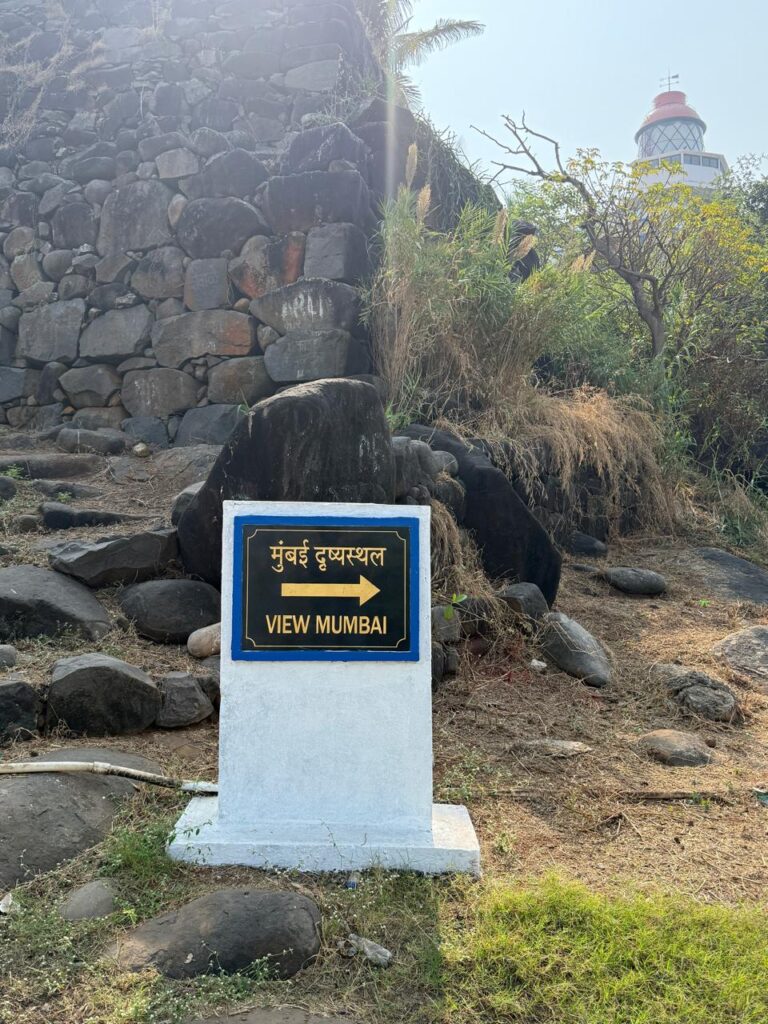
There is a sign on Kanhoji Angre Island that says, simply, “View Mumbai.” An arrow points right. My eyes strained hard in the direction it pointed, and sure enough, Mumbai was there, spread across the horizon like a rumour that got out of hand. Behind me, the lighthouse stood quiet in the morning sun. It only flashes at night.
This small island, five kilometres off the coast of Alibaug, holds more history per square metre than most places manage in an entire country. It was called Khanderi until 1998, when it was renamed after a man the British spent decades trying to catch and never did.
The Admiral They Called a Pirate
Kanhoji Angre was born in 1669 and died undefeated in 1729. In between, he ran the Maratha Navy with a brisk efficiency that made European admirals uncomfortable. He controlled the entire Maharashtra coastline from Sawantwadi to Mumbai. Every ship that sailed through Maratha waters paid a levy called jakat. Those that refused often lost the ship.
His navy was a coalition. Koli, Bhandari, and Kharvi seafarers formed its backbone. He employed Dutch commanders for his best vessels, a Jamaican pirate as chief gunner, and a Portuguese defector from the very East India Company trying to bring him down.
The British called him a pirate. In 1712, his navy captured the armed yacht Algerine, which belonged to the Governor of Bombay himself. They returned it fourteen months later, along with the Governor’s representative’s widow, for 30,000 rupees. The British East India Company, an organisation not known for taking things graciously, took this very badly indeed.
He also found time to found the town of Alibaug and issue his own silver currency, the Alibagi rupaiya. The ferry you take to reach his island leaves from the town he built.
Despite repeated attempts by the British, Portuguese, and Dutch to defeat him at sea, Kanhoji Angre died in bed in 1729. The lighthouse that now carries his name was built by the very people he spent his life outmanoeuvring.
There is something satisfying about that.
A Lamp from Paris
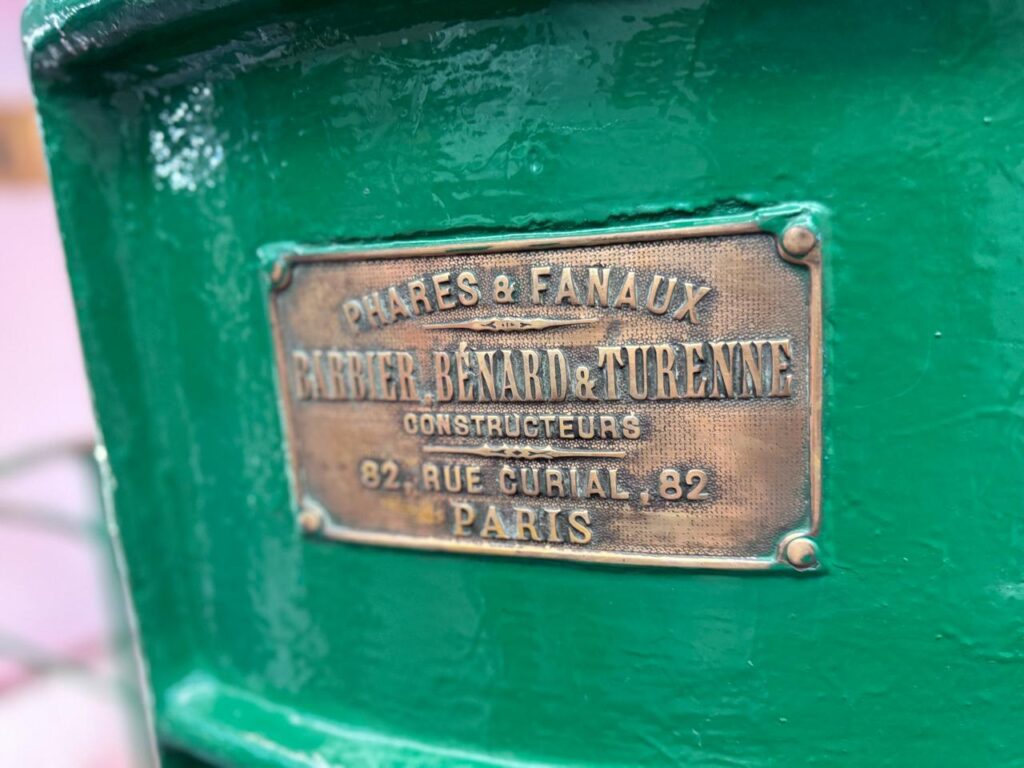
The British laid the cornerstone in January 1867. The Governor of Bombay did the honours. A Parisian firm, Barbier, Bénard & Turenne, supplied the lamp equipment. Their brass maker’s plate is still there, bolted to the green-painted housing, looking alarmingly cheerful. A small bronze plaque on a machine built for the age of sail, now guiding container ships tracked on phones. History has a sense of humour.
On a clear night, it flashes twice every ten seconds, in red and white, visible 25 nautical miles out. It has done this, with minor interruptions, since June 1867.
What You Find When You Get There
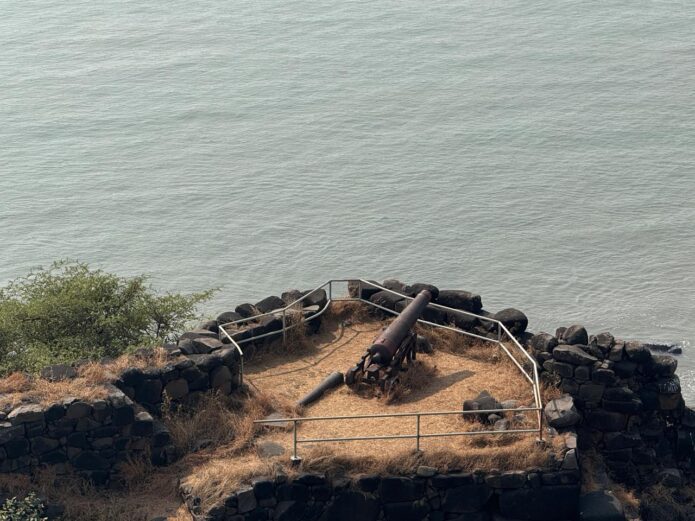
The island is small enough to take in quickly. The fort walls, built by Chhatrapati Shivaji Maharaj in 1679, still mostly stand. Old cannons sit along the parapets. There is a musical stone that makes a metallic ring when struck with a pebble, which fishermen once used to warn of approaching ships. Two freshwater wells have been supplying the lighthouse keepers for over a century.
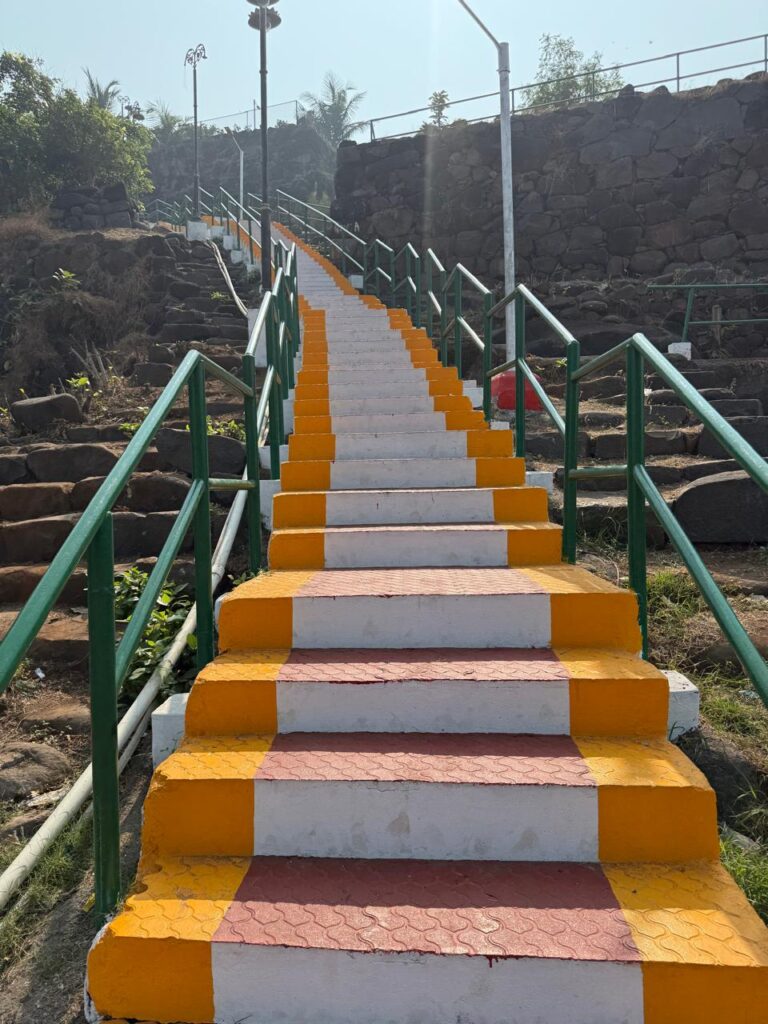
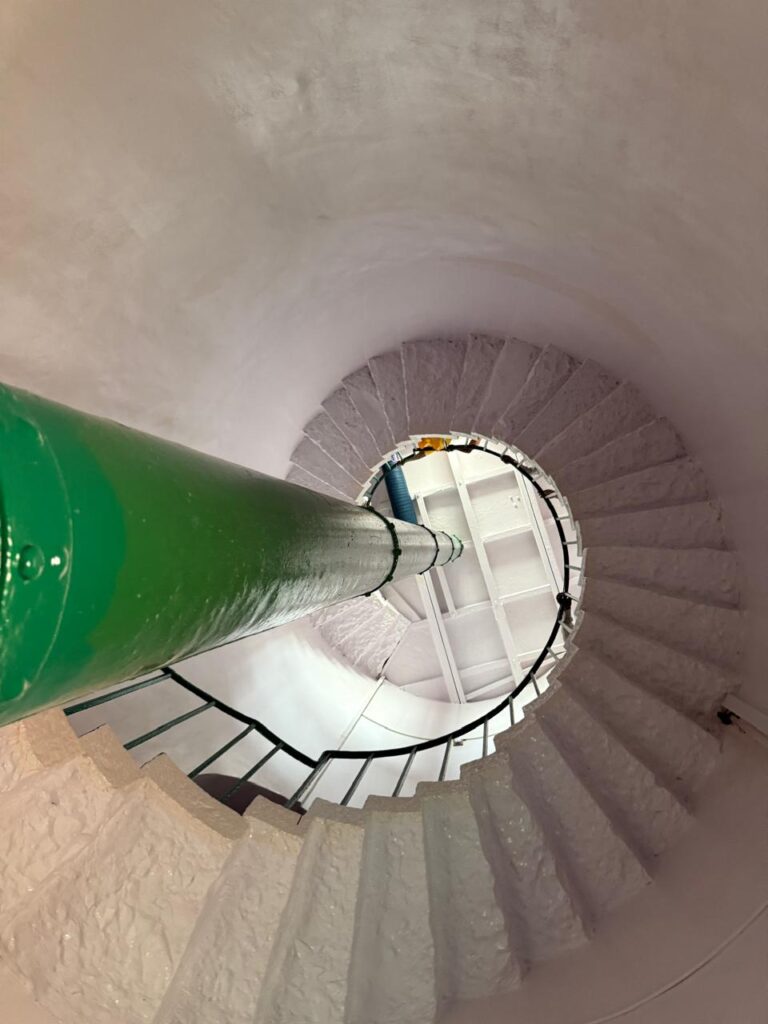
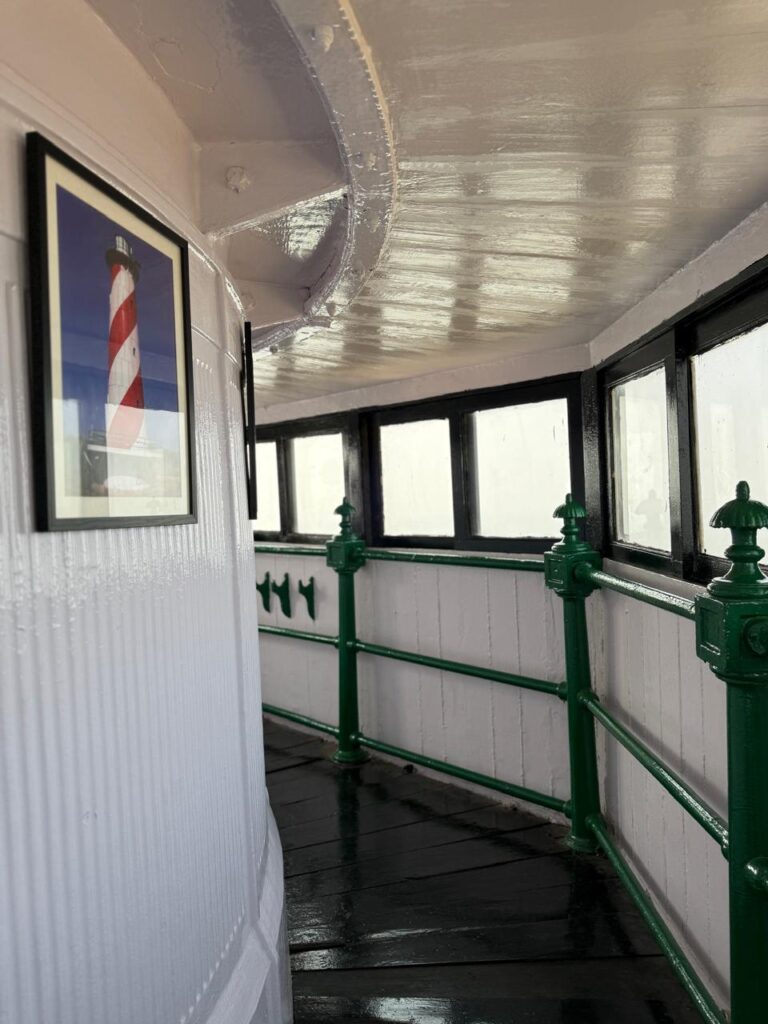
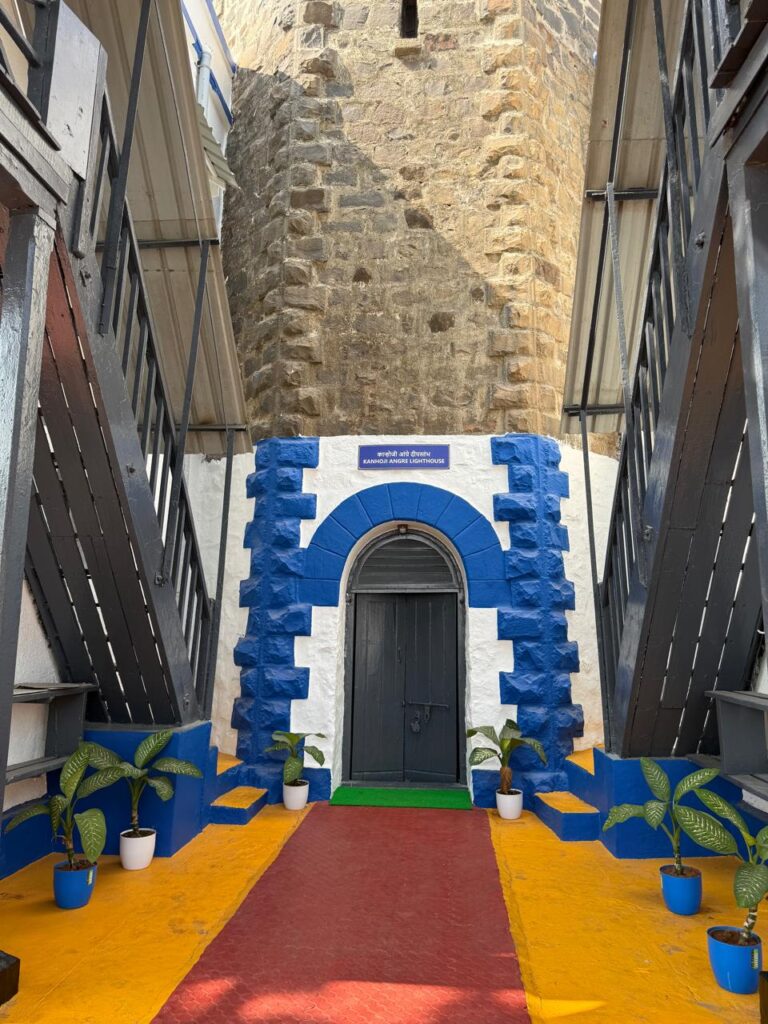
The lighthouse entrance is painted in blue and white, with small potted plants arranged outside. The interior is something else. The spiral staircase winds up through 160 years of iron and stone, the steps worn smooth in the middle, the green handrail the same shade as the lamp housing at the top. You climb toward a circle of light that keeps getting slightly closer and never quite arrives, until suddenly it does.
From the top, Mumbai sits in one direction and the open Arabian Sea in the other.
What the Island Keeps
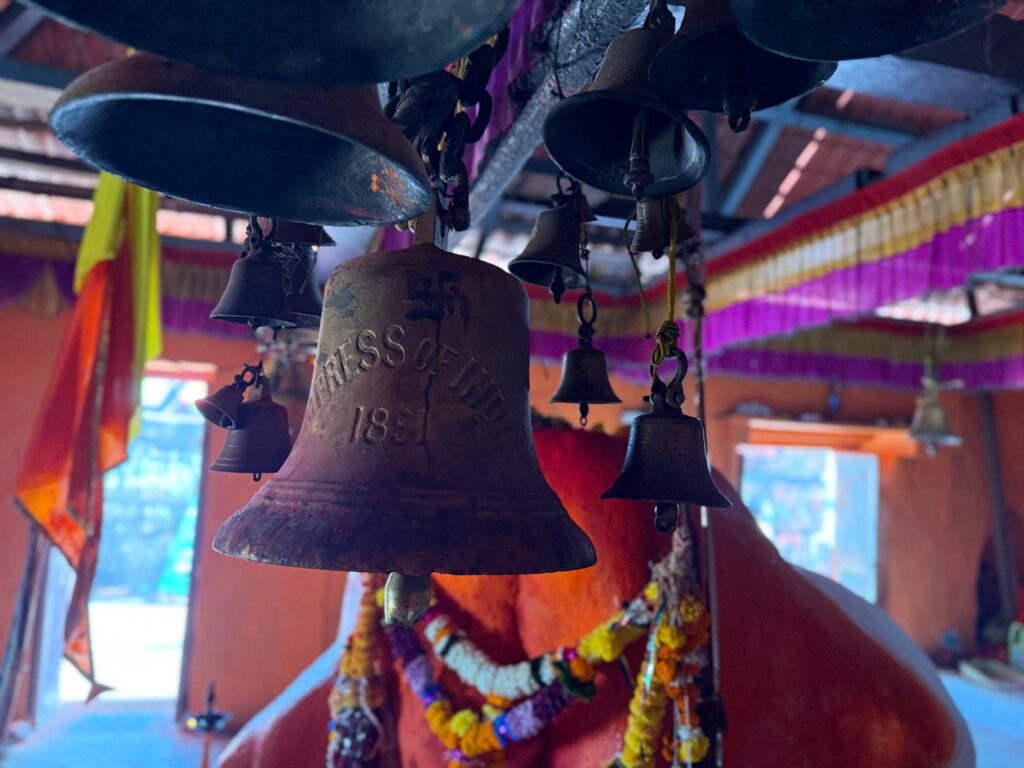
Near the water’s edge, a small orange temple sits wedged between ancient rocks, saffron flags flying. It is very much still in use. Inside, among the garlands and incense, hangs a large bronze bell. Cast into the metal, in raised letters: EMPRESS OF INDIA. 1891. A ship’s bell, over a hundred and thirty years old, now rung daily as an offering at the Vetoba temple. The Konkan Kolis worship Vetal, the god of ghosts. On an island named after the man who spent his life raiding British ships. Nobody planned that particular detail, and it is all the better for it.
Along the way, delinquent cannons lay on their side on a rusted cart, exactly where someone had left it. Around it, water bottles and plastic bags. Three centuries of history and a morning’s worth of rubbish, sharing the same patch of ground.
Still Making an Impression
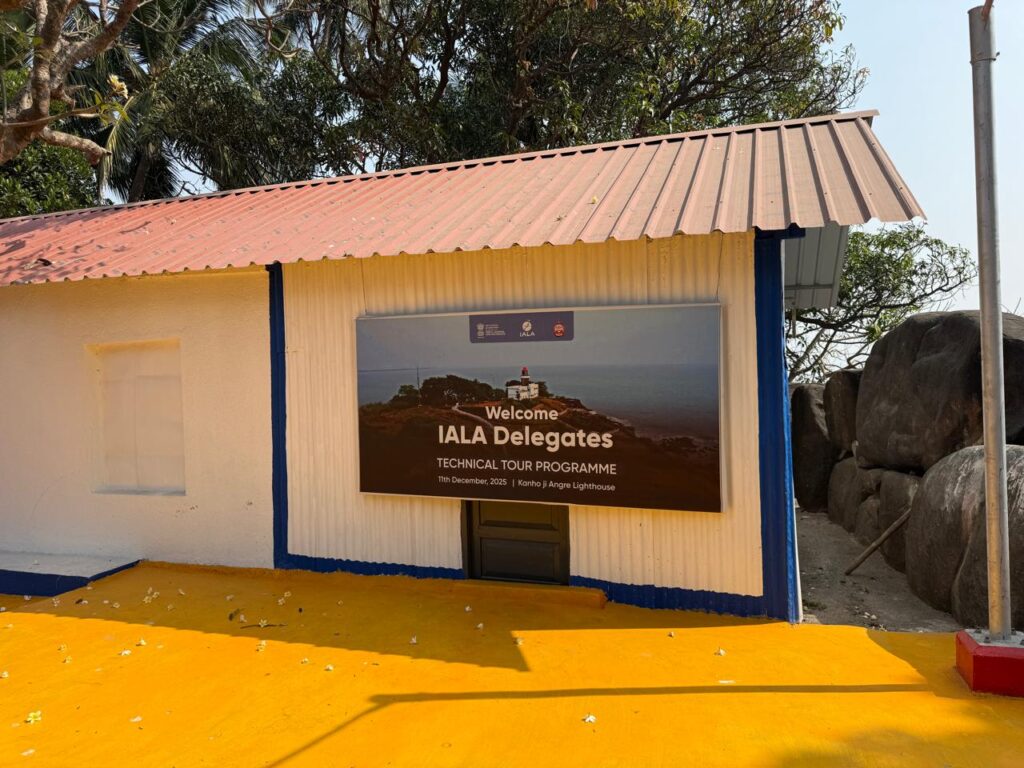
A faded banner on the wall announced that sixty maritime officials from thirty countries had visited a few weeks earlier. IALA, the body that sets lighthouse standards for the entire world, had chosen this island for its technical tour. They flew in from Europe, Asia, and the Americas, checked into Mumbai hotels, and then took a boat to a five-kilometre rock to look at a Victorian lamp made in Paris.
Kanhoji Angre spent his life ensuring that Europeans paid close attention to this coastline. Some habits, apparently, persist.
The ferry back to Alibaug takes twenty minutes. At night, the lighthouse flashes twice, pauses, and flashes again. It has been saying something out there, to anyone paying attention, for over a hundred and fifty years.
____________________________________________________
If forts and forgotten history interest you, Kamuthi in Tamil Nadu is worth the detour.